
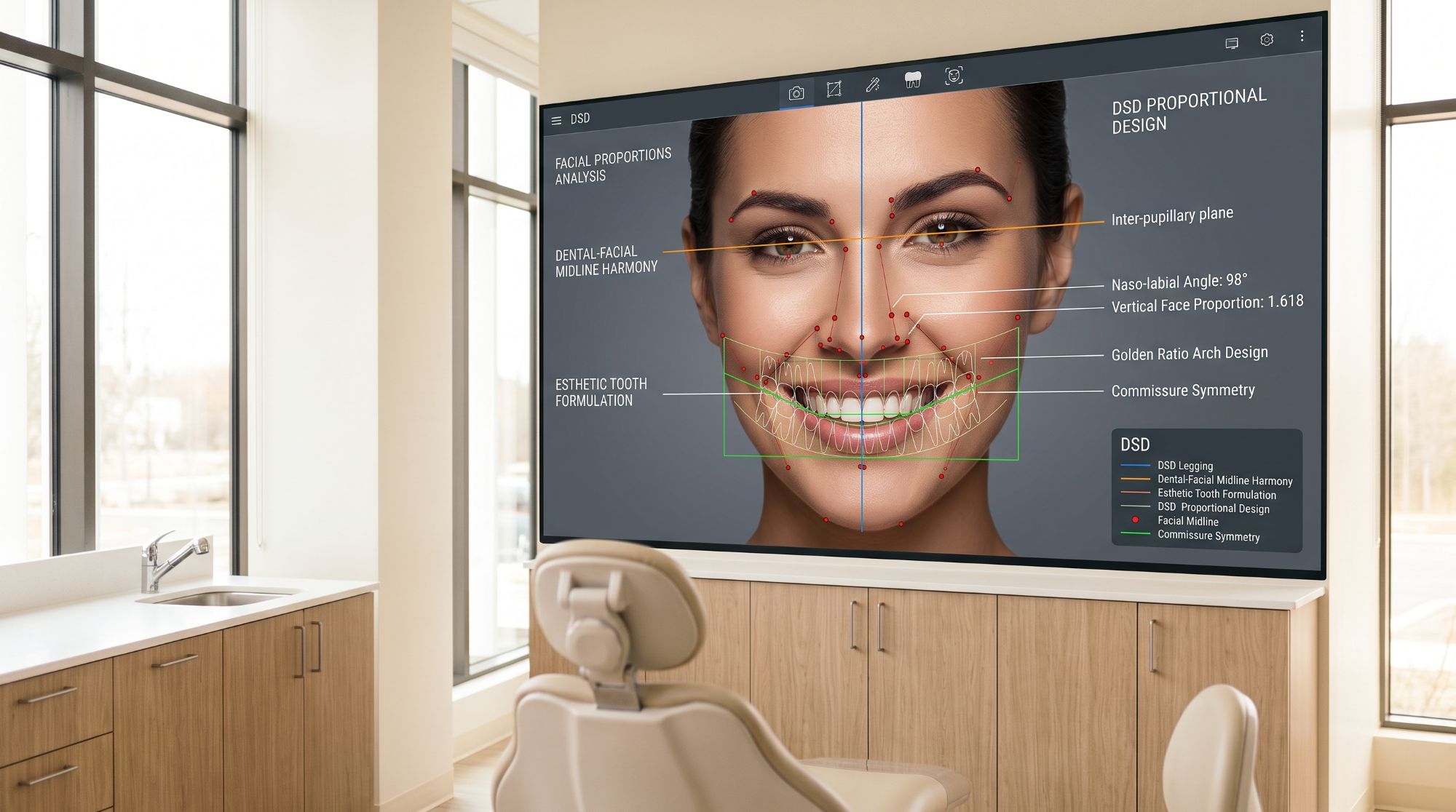
If you want a significant change but are worried about ending up with a smile that looks generic, overly white, or simply unlike you, Ultra Natural Smile Design starts in the right place: with the design, not the procedure.
Ultra Natural Smile Design is a facially guided planning process, not a single treatment. We study the teeth, gums, lip movement, profile, facial proportions, bite, and the details that give your smile its character. Photography, intraoral scans, Digital Smile Design, and an in-mouth mock-up can then give you something tangible to evaluate before final ceramic work is made.
Only then do we decide what belongs in the treatment plan. That may include veneers, bonding, whitening, gum recontouring, restorative dentistry, or a combination. It may also mean leaving healthy teeth alone. The priority is not to change the most teeth, but to make the right changes work together.

What Is Ultra Natural Smile Design?
Ultra Natural Smile Design is the planning process used to define how a proposed smile should look and function before choosing the procedures used to create it. It considers tooth shape and shade alongside lip dynamics, gum display, facial proportions, profile, bite, and the health of the supporting teeth and tissues.
Veneers, whitening, and bonding are treatments. Smile design is the framework that helps determine whether any of them belong in your case, how much change is appropriate, and how the finished smile should relate to the rest of your face.
A Natural Smile Is Built From Details, Not a Shade Chart
Natural-looking dentistry is not about making every tooth perfectly even. Real teeth vary. Light behaves differently at the edges of enamel. Tooth widths are not identical. Surface texture, translucency, edge position, gum levels, and movement all influence whether a smile feels believable.
We use those details deliberately. A proposed design may call for a softer edge, a warmer shade, a subtle difference between neighboring teeth, or less change than you first imagined. The strongest result is one that looks at home on your face.
What We Decide Before Final Treatment Begins
01
Is the Foundation Healthy Enough for Cosmetic Work?
Before designing an aesthetic change, we evaluate the teeth, gums, bone, existing restorations, and bite. If there is active disease or a structural problem that could compromise the result, that needs to be addressed before the cosmetic phase moves forward.
02
Which Features Should Change, and Which Should Stay?
Full-face photography and profile analysis help us study lip movement, smile line, symmetry, tooth display, and facial relationships. This is where we separate the details that are distracting you from the features that already make the smile feel like yours.
03
How Much Dentistry
Is Actually Necessary?
Digital scans and clinical evaluation help us compare what different treatments would require. If whitening or bonding can solve a concern without ceramic coverage, that deserves consideration. If veneers or crowns are needed, the design helps establish where treatment belongs and where it does not.
04
Can You See the Direction Before Anything Final Is Made?
Digital Smile Design and a laboratory mock-up translate the plan into something visible. When an in-mouth mock-up is appropriate, you can evaluate tooth length, shape, proportion, shade direction, and overall character on your own face while refinements are still possible.
The Process
The Six-Step Ultra Natural Smile Design Process

Step 1
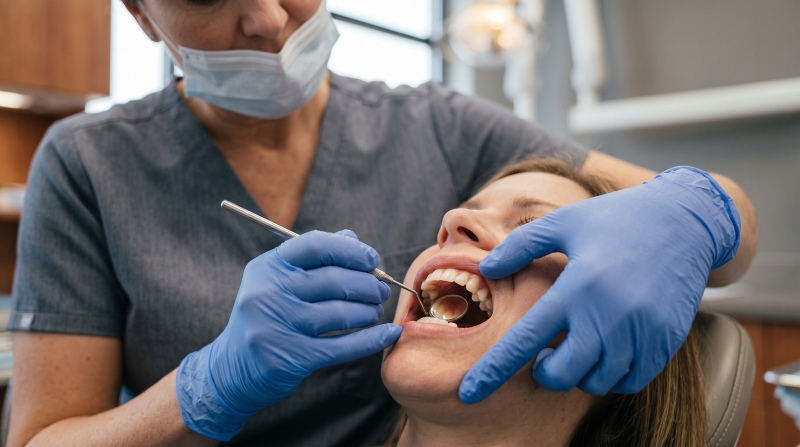
Establish the Clinical Foundation
Digital X-rays and a clinical evaluation help verify periodontal, bone, structural, and bite conditions before aesthetic treatment is designed.
Step 2
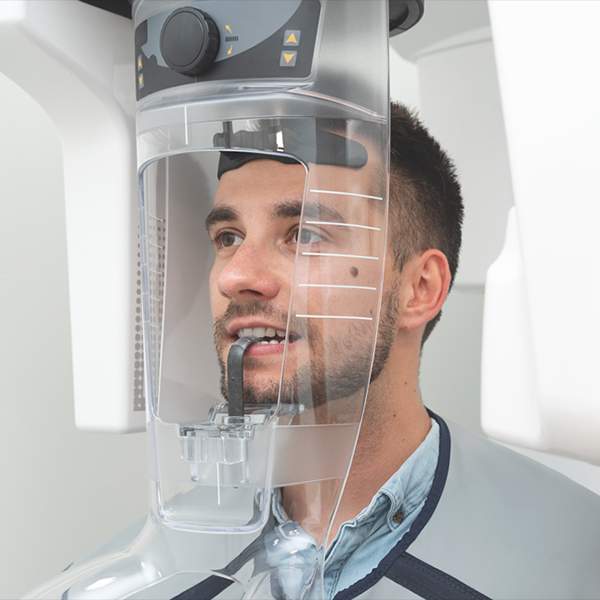
Map the Face and Smile in Motion
Full-face photography is used to study lip dynamics, symmetry, facial parameters, profile, and how much tooth and gum show naturally when you smile.
Step 3
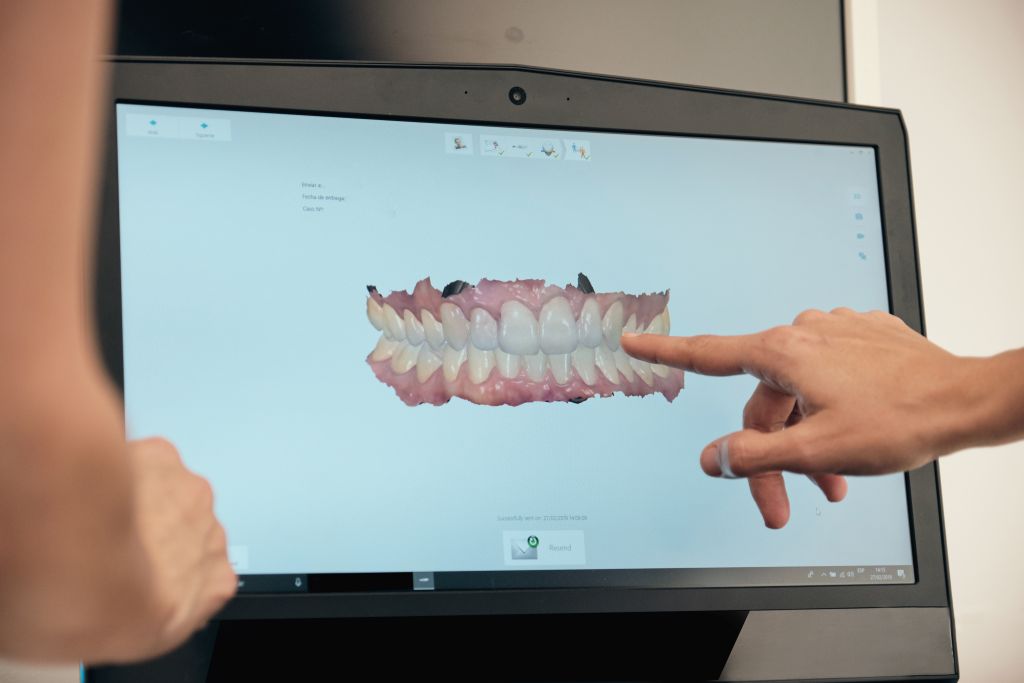
Capture the Teeth and Bite Digitally
Intraoral scanning creates a detailed digital model for planning and gives the dental and laboratory teams a common set of records to work from.
Step 4
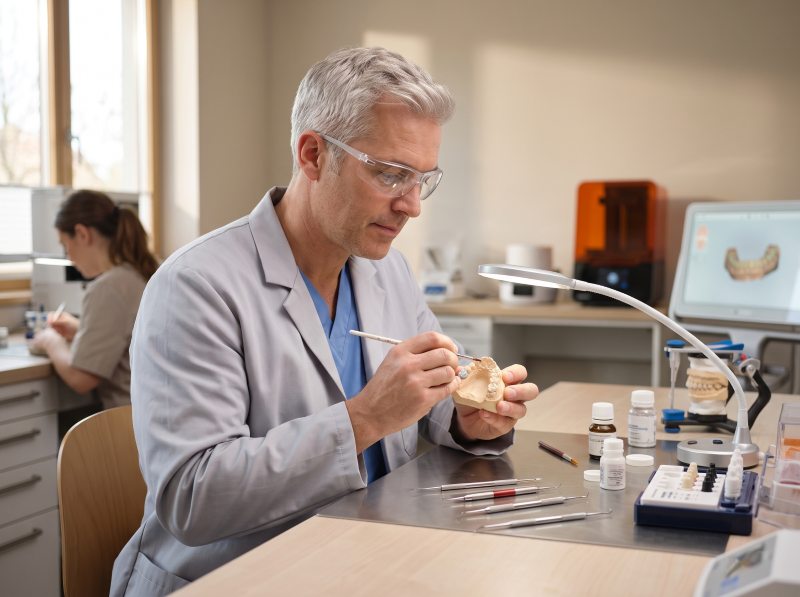
Build the Proposed Smile in the Lab
The proposed proportions and contours are developed through Digital Smile Design and a physical or digital mock-up created within the on-site workflow.

Step 5
Try the Direction Before Final Ceramics
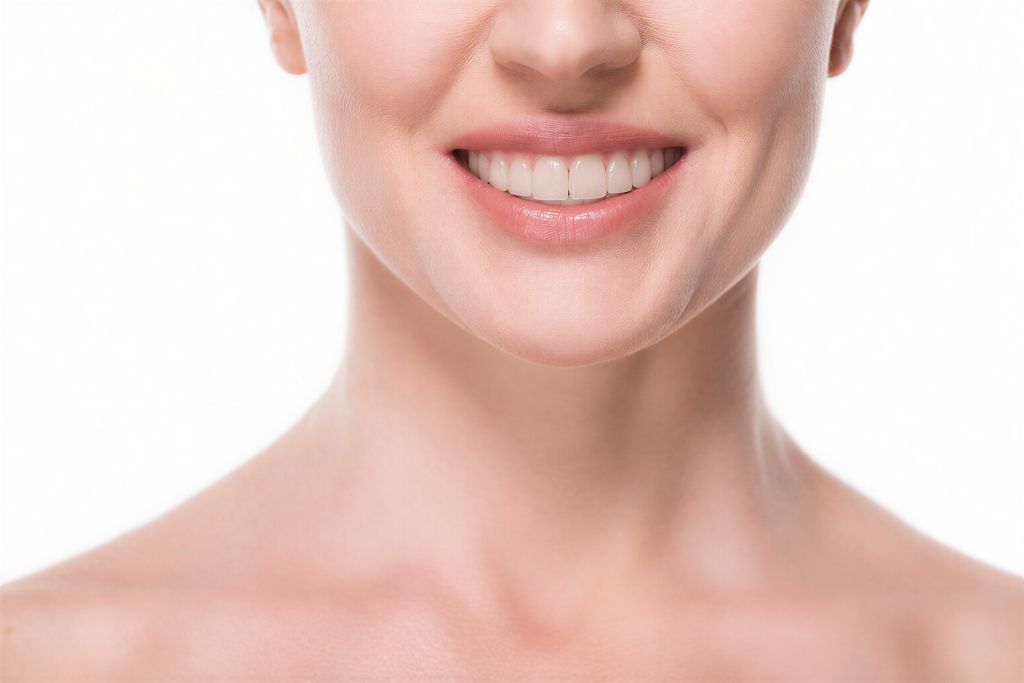
When clinically appropriate, an in-mouth preview lets you react to the proposed design before final ceramic restorations are completed. If something feels too long, too square, too bright, or simply unlike you, that conversation happens while the design can still change.
Step 6
Fabricate and Refine the Final Restorations
When ceramic treatment is part of the approved plan, final restorations can be milled and processed through the Sandy Springs lab using materials such as IPS e.max lithium disilicate when it fits the restorative requirements. Fit, bite, shade, surface character, and overall integration are evaluated before treatment is considered complete.
When Smile Design Can Mean Doing Less
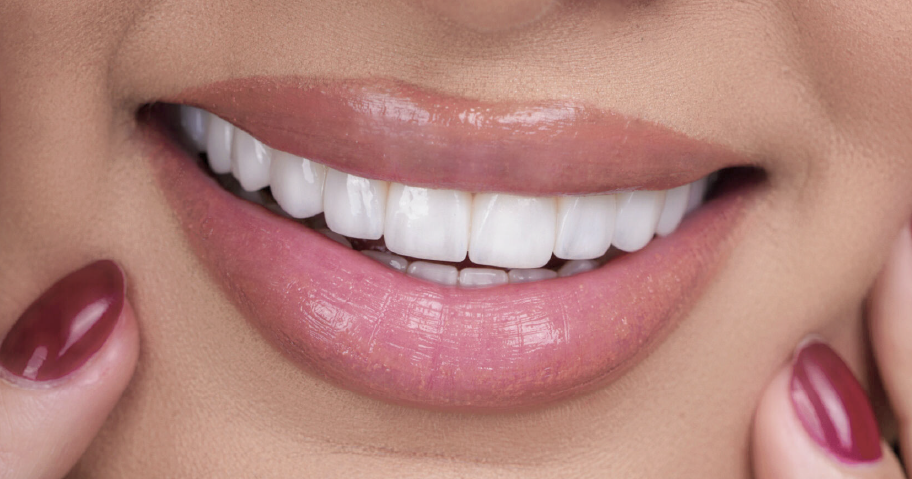
A larger cosmetic plan is not automatically a better one. One patient may need veneers across the visible smile. Another may get closer to the desired result with whitening, a few bonding corrections, or gum recontouring. A tooth that already fits the design may not need treatment at all.
Planning first creates room for restraint. Instead of starting with a procedure and forcing the smile to fit it, we can start with the smile and choose only the treatments that have a clear job.

Why the On-Site Lab Matters More on a Smile-Design Case
The Sandy Springs office houses CEREC milling, ceramic furnaces, 3D printing, intraoral scanning, and Digital Smile Design technology. On a highly visible case, the advantage goes beyond speed: the same records and design decisions can stay close to the dentists who examined you and the lab workflow used to fabricate and refine the restorations.
That makes it easier to carry the design from photography and mock-up through ceramic fabrication without treating each stage as a separate conversation. Selected smile cases can be fabricated in as little as one to three days, although timing varies with material, number of restorations, clinical complexity, and any treatment that must happen first.
How Long Can a Veneer-Based Smile Design Last?
Veneer-based smile designs are engineered for approximately 10 to 15 years or longer with proper care. Individual longevity varies with the teeth, bite, materials, maintenance, and habits, so no exact lifespan can be promised.
Long-term care may include daily brushing and flossing, avoiding hard or sticky foods as directed, and wearing a custom night guard when prescribed. If the bite feels different after treatment, it should be evaluated rather than ignored.
Questions Patients Ask Before Designing a New Smile
See the Design Before You Decide How Far to Go
A cosmetic consultation should leave you with more clarity, not more pressure. If you are unsure whether you want veneers, bonding, whitening, or a larger transformation, start with the result you want and the parts of your smile you want to keep. We can evaluate the foundation, show you the proposed direction, and help you decide how much treatment makes sense.