
A smile makeover is useful when several cosmetic concerns are competing for your attention at once. Maybe the color bothers you, a few edges are worn, the gumline feels uneven, and older restorations no longer match. Treating each issue separately can leave the smile looking corrected in pieces instead of designed as a whole.
A Complete Smile Makeover coordinates only the cosmetic treatments that contribute to one visual goal. That may include porcelain veneers, ceramic crowns, professional whitening, composite bonding, and aesthetic gum recontouring. It does not mean every patient needs every procedure.
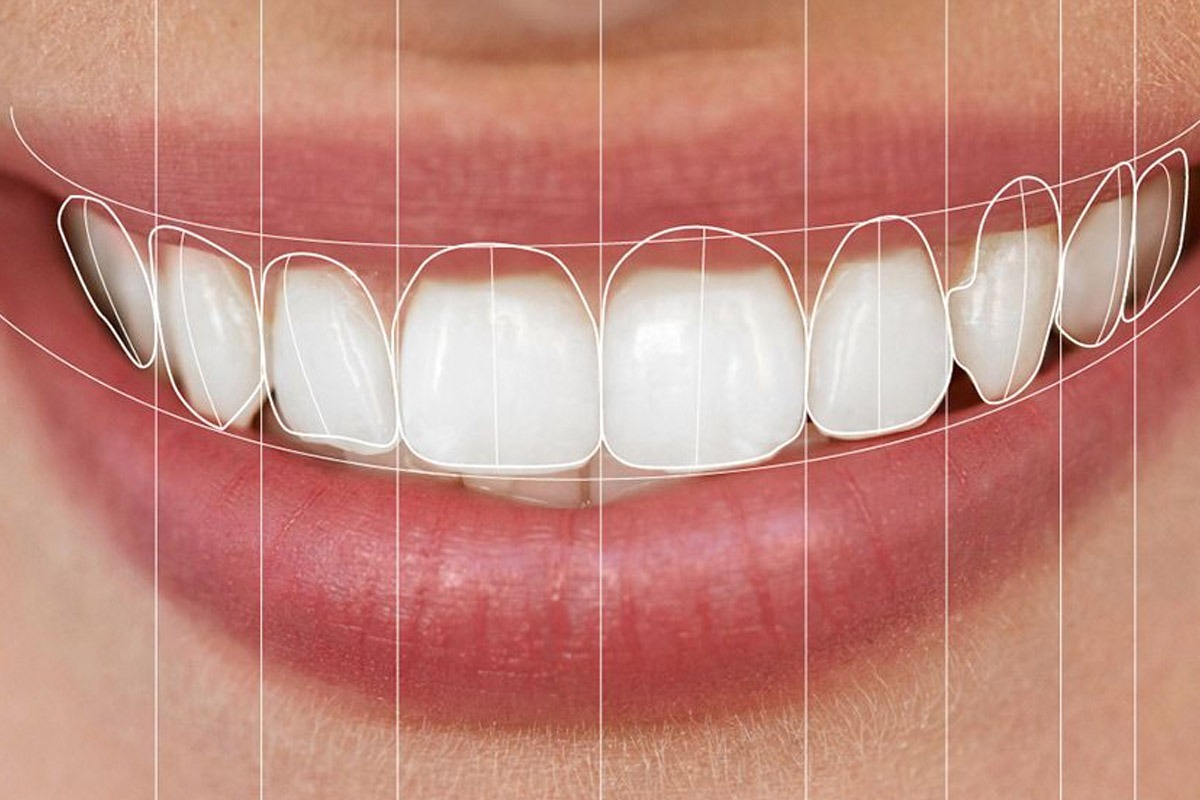
Photography, digital scans, Digital Smile Design, and laboratory mock-ups help establish the proposed result first. From there, we work backward to decide which treatments have a clear role, which can be more conservative, and which should be left out.

What Is a Complete Smile Makeover?
A complete smile makeover is a coordinated cosmetic treatment plan for multiple concerns across the visible smile. It can address shade, shape, proportion, wear, small gaps, gum display, symmetry, and older restorations when more than one treatment may be needed to create a cohesive result.
Unlike full-mouth rehabilitation, a smile makeover is primarily driven by aesthetic goals rather than widespread structural or bite failure. Health and function still have to support the cosmetic plan, but the central question is how to improve the visible smile without treating more than the case requires.
Smile Design Sets the Direction. The Makeover Selects the Treatments.
Ultra Natural Smile Design is the planning process used to study facial relationships, tooth proportions, lip movement, gum display, and the proposed result. A Complete Smile Makeover is the treatment plan that may follow when more than one cosmetic procedure is needed to create that result.
Keeping those ideas separate prevents the makeover from becoming a menu. The design defines the destination; the makeover selects the procedures needed to get there.
Match Each Concern to the Smallest Treatment That Solves It
A coordinated makeover does not require ceramic treatment everywhere. Different concerns may call for different tools:
Porcelain Veneers
Veneers may be used when ceramic is the appropriate way to change tooth shape, shade, length, proportion, or surface appearance across selected visible teeth.
Ceramic Crowns
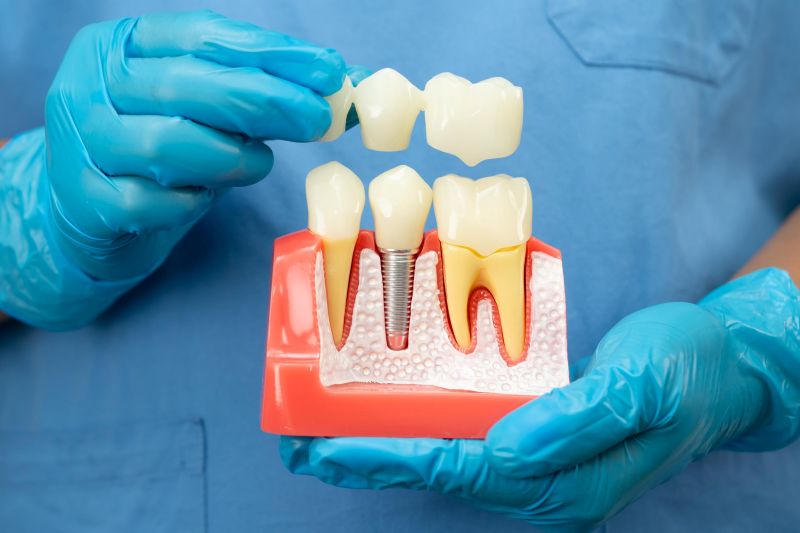
A crown may be more appropriate when a tooth needs greater structural support than a veneer can provide because of fracture, existing dentistry, or loss of tooth structure.
Professional Teeth Whitening
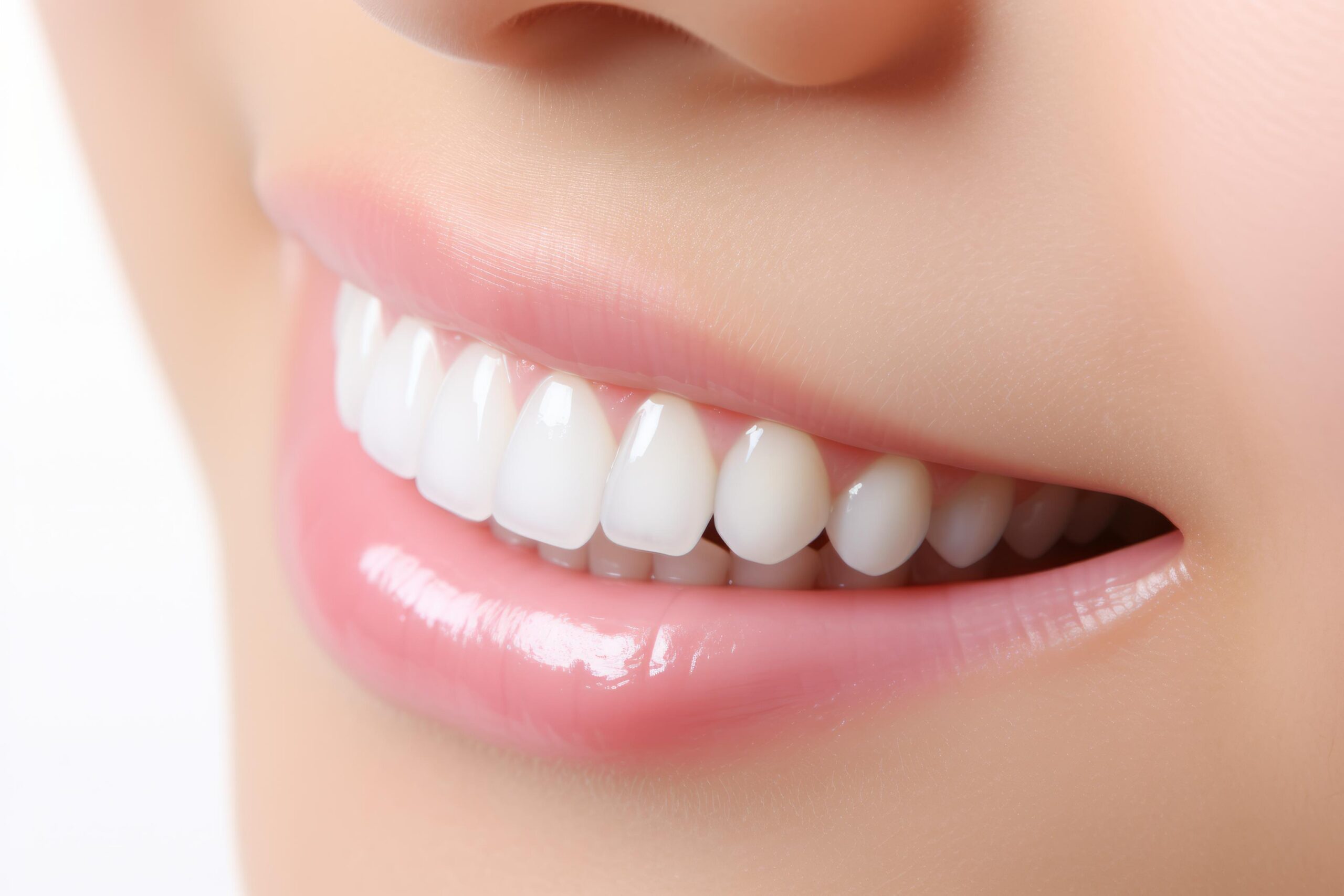
Whitening may improve the shade of natural teeth and can be coordinated before final ceramic shade decisions are made.

Composite Bonding
Bonding can repair or reshape smaller localized concerns with direct tooth-colored resin when ceramic coverage is unnecessary.

Aesthetic Gum Recontouring
Gum recontouring may be used when gum position or asymmetry makes teeth appear short or uneven and the soft-tissue frame is part of the cosmetic concern.
If one of these procedures does not solve a defined part of the problem, it does not need to be in the plan.
The Best Makeover May Be More Selective Than You Expected
Patients often arrive assuming a smile makeover means treating every visible tooth. It does not. One of the most valuable decisions can be identifying the teeth that already work within the design and leaving them alone.
A smaller plan can sometimes look more natural because it preserves more of the original smile. The priority is coordination, not maximum treatment.
Preview the Direction Before Several Procedures Begin
When multiple treatments need to work together, design decisions are more useful when they are made before the final dentistry starts. Full-face photography, digital scans, Digital Smile Design, and laboratory mock-ups can help show how the proposed changes relate to one another.
When an in-mouth mock-up is appropriate, you may be able to evaluate tooth length, proportion, and overall smile character on your own face before final ceramic work is completed. You can say “too much,” “not enough,” or “this part feels right” while the plan is still adjustable.
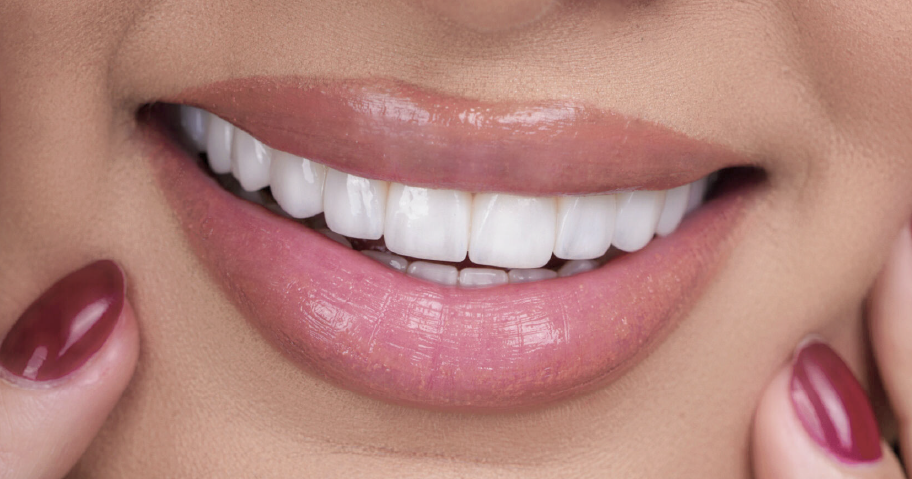
Sequence Matters When Whitening, Gums, Bonding, and Ceramics Share One Smile
A makeover becomes more predictable when the treatments are sequenced around the final design instead of completed in whatever order they happen to be requested. Whitening can influence ceramic shade selection. Gum position can change apparent tooth proportions. Bonding or veneers should be judged against the same overall design rather than as isolated fixes.
Sequencing is not about making the process more complicated. It is about avoiding a fix in one area that creates a new mismatch somewhere else.
One On-Site Lab Workflow Helps Multiple Restorations Read as One Smile
The Sandy Springs office includes CEREC milling, ceramic processing, digital scanning, and Digital Smile Design. When several ceramic restorations are part of the makeover, the same design references can follow the case through fabrication and refinement.
Selected e.max cases may be fabricated in as little as one to three days. Timing depends on the number of restorations, material, preparation, and whether other treatment needs to happen first. The on-site lab matters for more than speed; it keeps shade, contour, edge position, surface character, and the overall design within one coordinated workflow.
A Smile Makeover Should Still Look Like One Person, Not One Formula
A cohesive smile is not created by making every tooth perfectly symmetrical. Tooth size, translucency, edge position, shade, gum contours, and small variations all have to be judged in the context of the face.
Sometimes the more natural choice is to make a tooth slightly less “perfect” on purpose. The smile should feel coherent and intentional without looking as though every patient received the same template.
Questions to Answer Before a Complete Smile Makeover
Bring the Outcome You Want. We Will Help Sort Out the Procedure List.
You do not need to arrive knowing whether you need veneers, whitening, bonding, crowns, or gum treatment. Tell us what you notice, what you want to change, and what you absolutely want to keep. We can use the design process to show what each treatment would contribute, then build a plan that earns its complexity instead of assuming more dentistry is better.