Good veneer treatment does not begin with porcelain. It begins with deciding whether porcelain is necessary, how much healthy enamel can be preserved, and what the finished teeth should look like when you speak, smile, and move naturally.
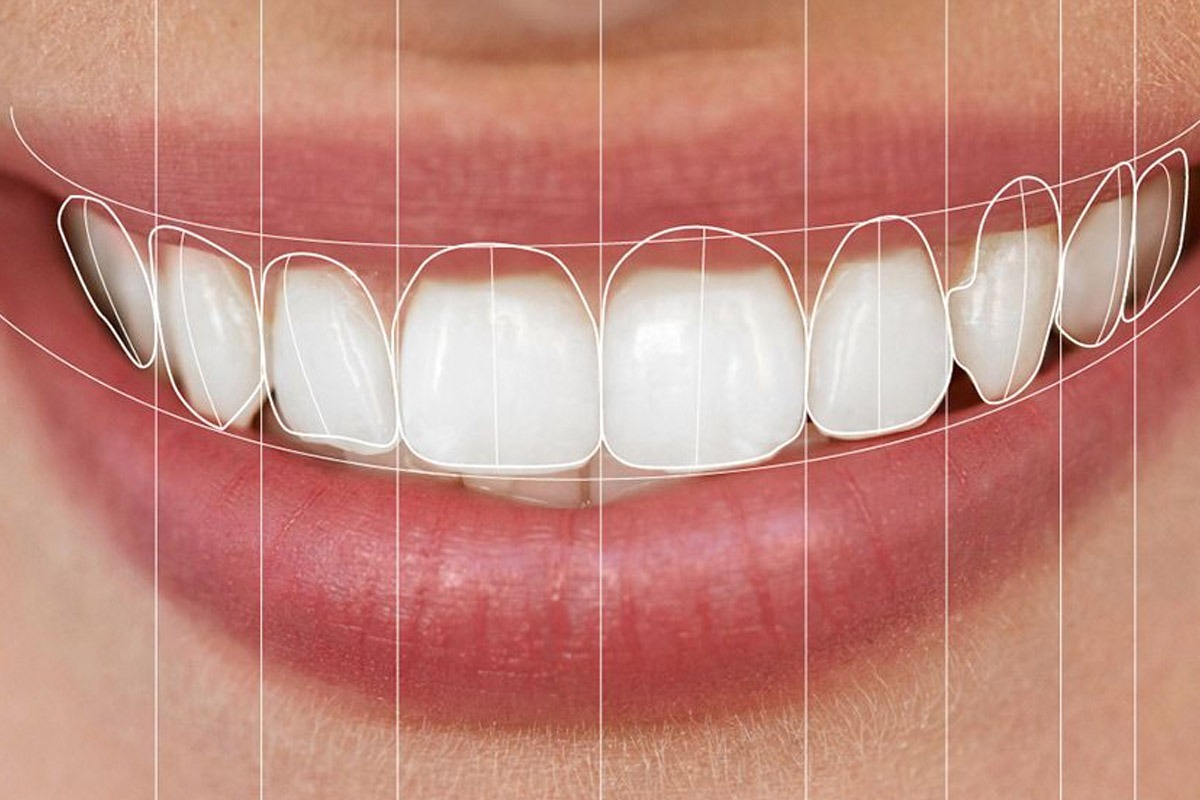
At Smiles by Mario Montoya, veneers are custom ceramic restorations planned around enamel, bite, gum levels, lip movement, tooth proportions, shade, translucency, and surface character. Digital Smile Design and an in-mouth mock-up can let you react to the proposed shape before final bonding, while the on-site lab keeps design and fabrication closely connected.
IPS e.max and zirconia are selected according to the optical and structural needs of the case. Some veneers can be prepared very conservatively. Others require more room to manage dark underlying color, contour, or alignment. The amount of treatment should come from the tooth and the design, not a one-size-fits-all veneer package.
What Porcelain Veneers Can Change, and What They Cannot
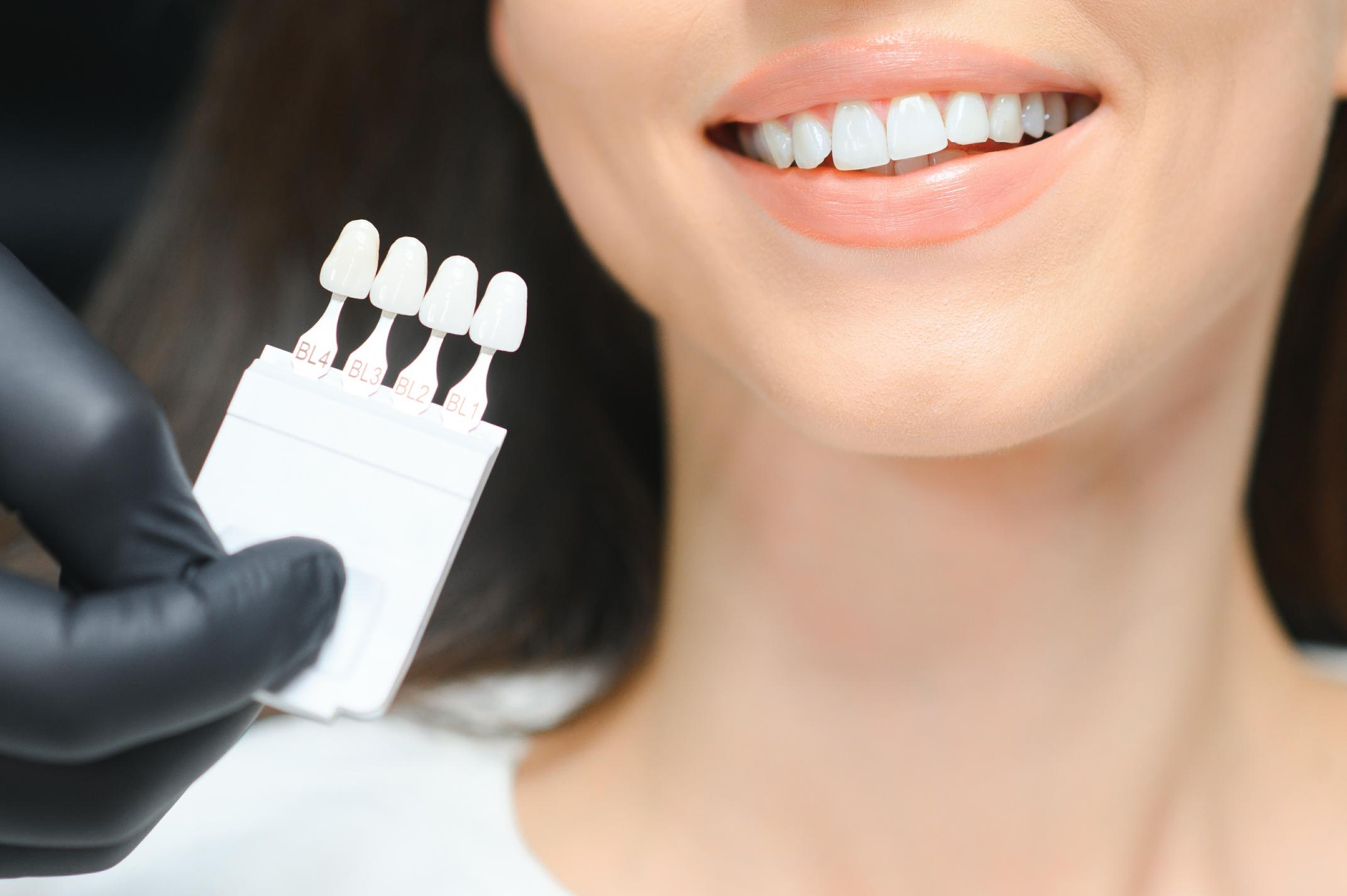
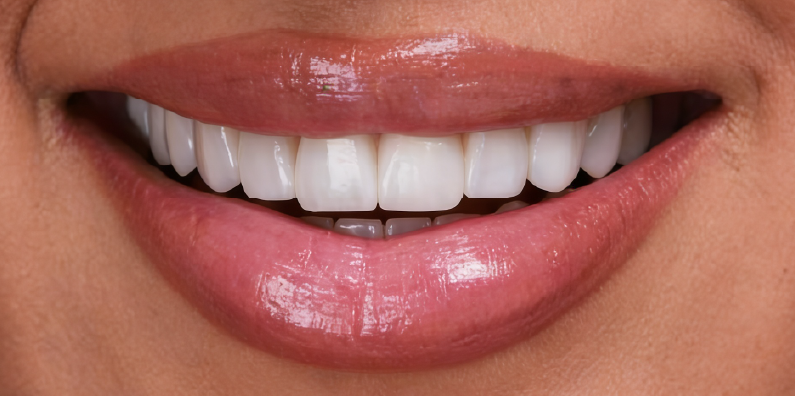
A porcelain veneer is a thin ceramic restoration bonded to the visible surface of a tooth. It can change the apparent color, shape, length, proportion, surface texture, and small spacing relationships of a tooth when ceramic coverage is appropriate.
If whitening, bonding, or gum contouring can get you there with less, we will tell you. When veneers are the answer, you will see the design before anything is final.
The Most Important Veneer Question: How Much Tooth Structure Needs to Change?
Veneer preparation is case-specific. Some designs may allow minimal preparation or ultra-thin ceramics. Other teeth need additional space so the restoration can manage discoloration, contour, or alignment without becoming bulky.
The proposed shape should be established before preparation begins, giving the dentist a reason for every change made to the tooth. Healthy enamel should not be removed simply because a standard veneer protocol expects it.
When a More Conservative Option May Be Better
If the problem is mostly shade, whitening may be enough. If one edge is chipped or a small gap is bothering you, composite bonding may solve it directly. If the teeth look short because of gum position, aesthetic gum recontouring may address the frame rather than covering the teeth with ceramic.
Veneers belong in the plan when ceramic is the better way to solve the combination of concerns in front of us, not because veneers can change a smile quickly.
e.max vs. Zirconia: Match the Ceramic to the Case
IPS e.max lithium disilicate is valued for translucency and enamel-like optical qualities, which can be useful in highly visible areas. Zirconia provides greater strength and may be selected when the structural demands are different.
You are not expected to choose the material yourself. We evaluate the underlying tooth color, location, available enamel, restorative space, bite forces, and aesthetic goal, then explain why one ceramic is better suited to that tooth or part of the case.
From Planning to Final Veneer Bonding
01
Evaluate the Teeth,
Gums, Enamel, and Bite
We begin with the health and structure underneath the cosmetic concern. Existing restorations, gum condition, enamel availability, bite relationships, and the amount of change you want all affect whether veneers are appropriate.
02
Design the
Proposed Smile
Photography, digital scans, Digital Smile Design, and laboratory planning establish the proportions and direction before irreversible treatment begins.
03
Prepare Only What the Design Requires
Preparation is tailored to the individual teeth. Minimal-prep treatment may be possible in selected situations, while greater correction of shade, contour, or alignment can require additional reduction.
04
Fabricate the Ceramics On-Site
The Atlanta digital lab uses CEREC Primemill and MC X milling, along with Programat ceramic processing for custom restorations. Selected e.max veneer cases may be fabricated in as little as one to three days. Zirconia and more extensive cases can require additional processing time.
What the On-Site Lab Changes in a Veneer Case
Veneers are judged in millimeters, shade nuances, line angles, translucency, and texture. When the clinical records, design process, milling, and ceramic finishing stay within the Sandy Springs workflow, the dentist can remain closely involved in those details from the mock-up through the final restoration.
Speed is useful, but it is not the standard for deciding whether a veneer is ready. Selected e.max cases can move quickly because the lab is on-site, but fit, bite, material processing, and appearance still have to be right before the case is finished.
Porcelain Veneers Are a Long-Term Dental Commitment
Porcelain veneers are engineered for approximately 10 to 15 years or longer of service with proper maintenance. Individual longevity varies, and no exact lifespan can be guaranteed.
Daily brushing and flossing, avoiding hard or sticky foods as directed, and wearing a custom night guard when prescribed can all be part of protecting the work. If a veneer feels loose or the bite feels uneven, the office should be contacted for evaluation.
Questions to Ask Before Saying Yes to Veneers
Know What the Veneers Will Change Before You Commit to Them
If you are worried that veneers may be too aggressive, too bright, or too significant a commitment, say so during the evaluation. We can show you what the design is trying to accomplish, compare more conservative alternatives, and explain how much preparation the proposed result would actually require before you decide whether veneers belong in your smile.