
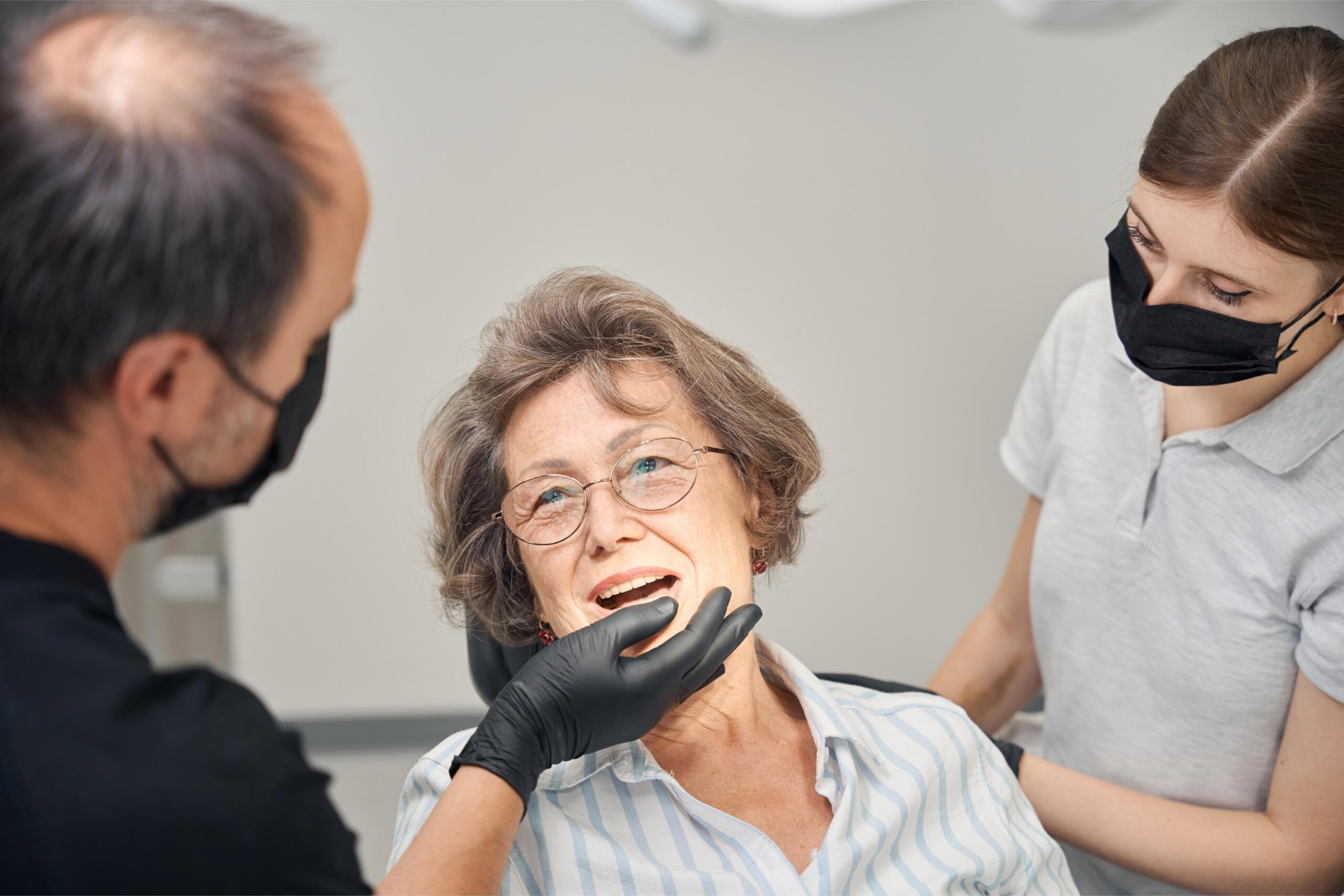
Full-mouth rehabilitation is for patients who are tired of repairing the newest broken tooth while the larger pattern keeps getting worse. Severe wear, missing support, bite collapse, failing restorations, and repeated repairs often influence one another. Another isolated crown may fix a tooth without fixing the reason the mouth keeps breaking down.
Also called full-mouth reconstruction, this is a coordinated restorative plan led at our Sandy Springs practice by Dr. Carolina Herrera, DMD, Lead Prosthodontist & Full-Mouth Specialist. The plan may include crowns, bridges, implants, periodontal or surgical care, and a provisional phase used to test major bite changes before final ceramics are completed.
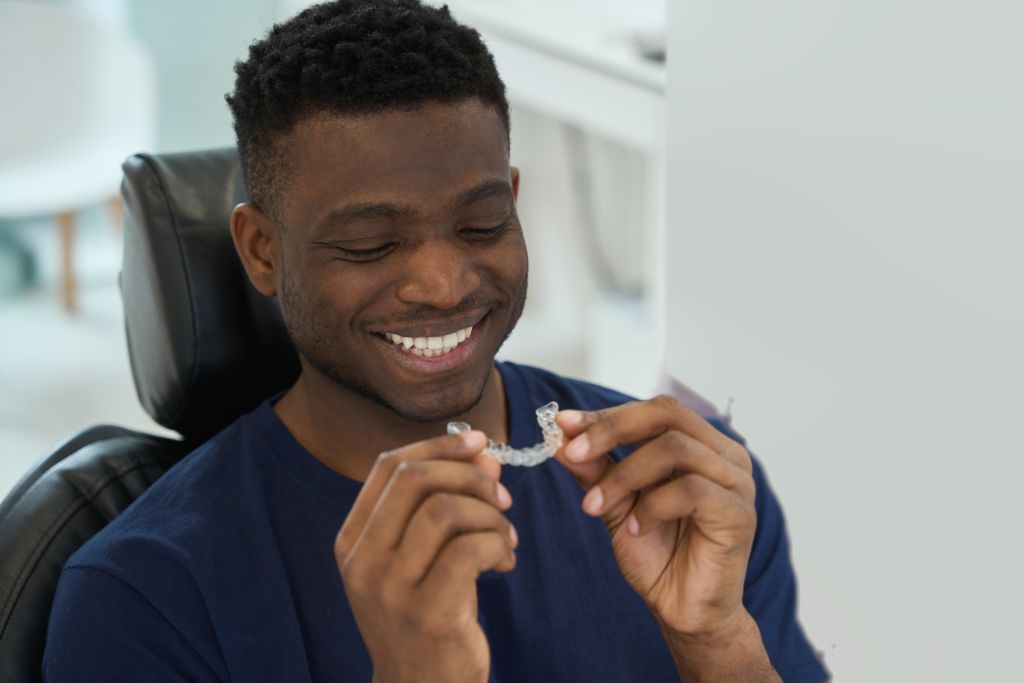
If the bite height or relationship is being rebuilt, provisional restorations or splints may be worn for one to two months so comfort, speech, chewing, muscle response, and appearance can be evaluated in daily life. Final e.max or zirconia restorations come after the proposed system has had a chance to prove itself.

When Full-Mouth Rehabilitation Makes More Sense Than Another Repair
Full-mouth rehabilitation is considered when several structural or bite-related problems are connected closely enough that treating them separately would leave the larger pattern untouched. Common reasons include:
The first question is not “How many crowns do you need?” but “Why did this happen?” If the same forces, missing support, structural loss, or bite changes are affecting multiple teeth, the plan has to address that pattern or the cycle of repairs can continue.
Full-Mouth Rehabilitation and Full-Mouth Reconstruction Mean the Same Thing Here
Patients often see the terms full-mouth rehabilitation and full-mouth reconstruction used differently online. On this site, both describe the same overall type of care: rebuilding multiple teeth and the bite as one coordinated restorative system when isolated treatment is no longer enough.
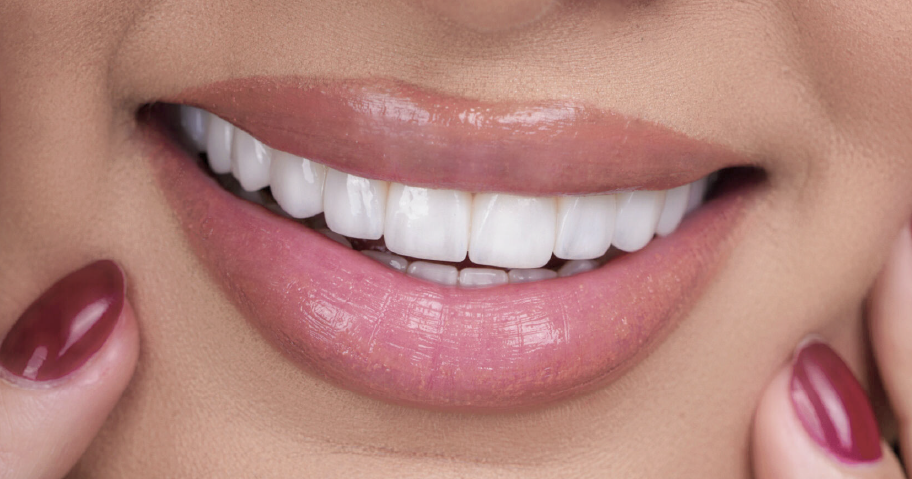
The Provisional Phase Is a Clinical Test, Not a Waiting Room
For major bite changes, provisional restorations or splints may be worn for one to two months before final treatment is completed. During that period, you actually live with the proposed position.
You chew, speak, smile, and function in the proposed position. We can evaluate comfort, muscle response, appearance, and how the bite behaves outside the dental chair. If something needs to change, the provisional phase is where we want to find it, before final e.max or zirconia restorations are fabricated.
Request an AppointmentA Full-Mouth Plan Starts by Separating What Can Be Preserved From What Cannot
Comprehensive treatment does not mean automatically treating every tooth. The diagnostic work identifies which teeth are healthy enough to keep, which restorations can remain, which areas are driving instability, and where replacement or surgical treatment may be necessary.
That matters emotionally as well as clinically. If you have already spent years and significant money on dental work, you deserve to know what can still be used and what is holding the mouth back before another major treatment begins.
Why Prosthodontic Leadership Matters When the Bite Is Being Rebuilt
Dr. Carolina Herrera applies prosthodontic training to cases in which many teeth, restorations, missing spaces, and bite changes have to function together. The work goes beyond making a series of individual crowns fit. It involves determining how the upper and lower teeth should meet, how lost support should be restored, and how the final restorations can function as one system.
That becomes especially important when treatment changes tooth length, bite height, or the relationship between the arches. Those are decisions worth testing before final ceramics are made.
A Four-Phase Approach to Full-Mouth Reconstruction

Phase 1
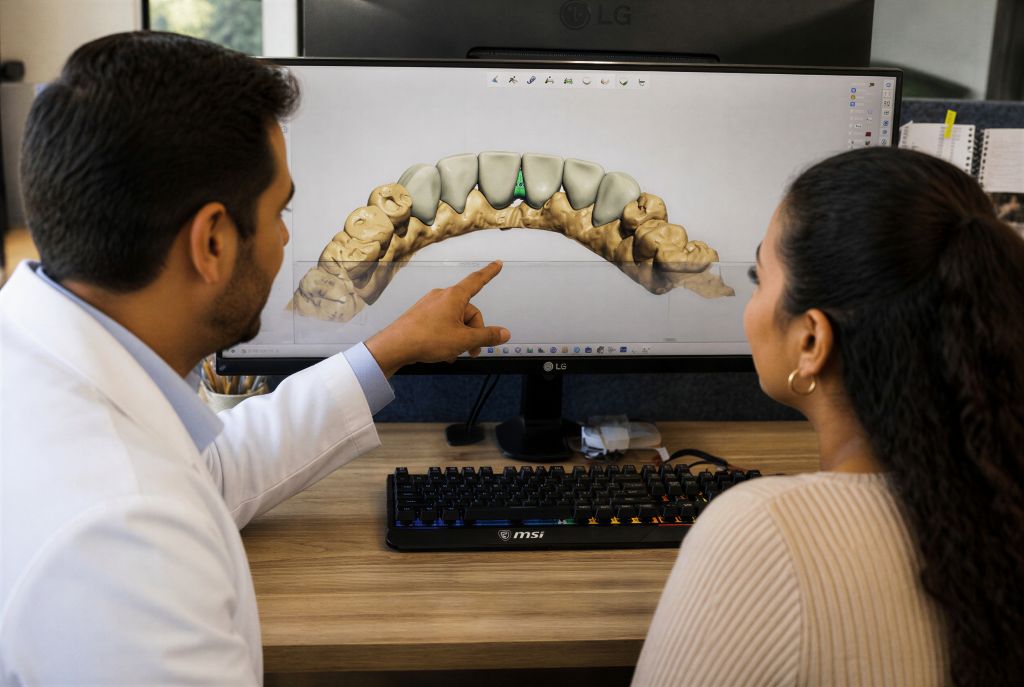
Diagnose the Whole System
Planning can include the Comprehensive Exam, diagnostic photography, digital scans, periodontal evaluation, 3D CBCT imaging, and occlusal or movement analysis. Together, those records help us understand what is healthy, what is failing, how the bite has changed, and what can realistically be rebuilt.
Phase 2
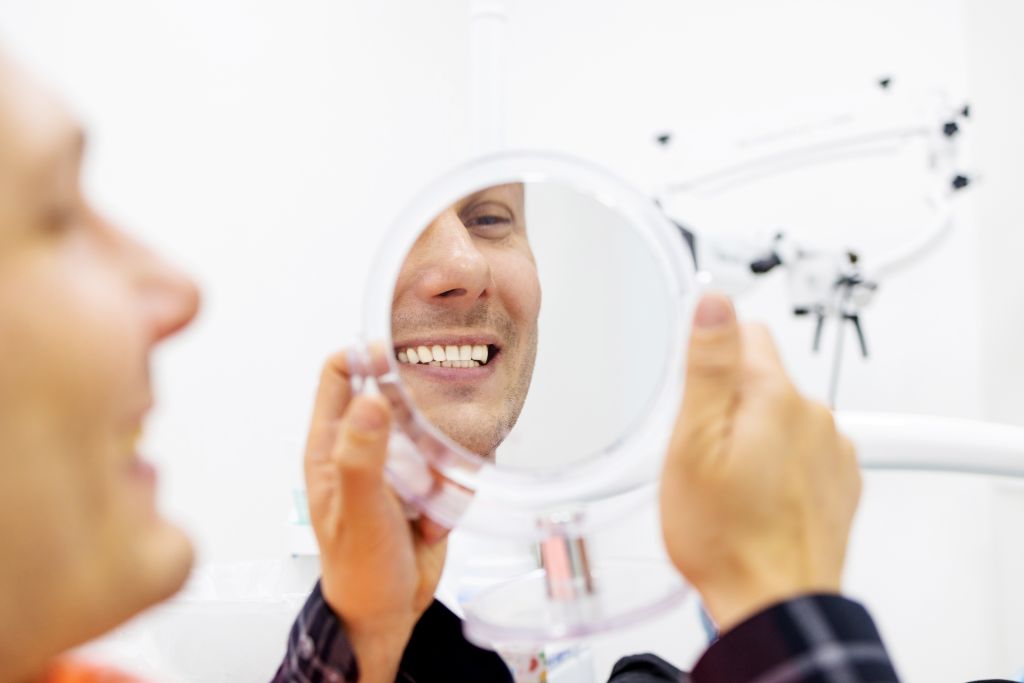
Test the Proposed Bite
Laboratory mock-ups, provisional restorations, or splints may be used for one to two months when the plan changes bite height or jaw relationships. This phase gives the team and the patient a chance to evaluate the proposal before final restorative treatment.

Phase 3
Complete Surgical Treatment When It Is Part of the Plan
Some cases require simple extractions within the practice scope, bone grafting, PRF, sinus augmentation, or implant placement. When surgery is needed, it is coordinated with the restorative plan so the surgical step supports the teeth and bite that will follow.
Phase 4
Complete the Final Restorations and Protect the Work
Once the bite and treatment sequence have been validated, final crowns, bridges, or implant restorations can be fabricated in e.max or zirconia according to the needs of each area. A custom 3D-printed night guard may be prescribed afterward to help protect the completed dentistry from excessive force.
One Design Language Across Many Restorations
A full-mouth case can involve many restorations, but the mouth still has to function and look like one mouth. Tooth proportions, bite contacts, restorative materials, contours, and the relationship between the upper and lower teeth all have to be considered together.
Keeping digital design, milling, ceramic processing, and 3D printing on-site in Sandy Springs helps the team carry one restorative direction through the provisional and final phases instead of treating each restoration as a separate laboratory order.
What If Implants or Surgery Are Part of the Reconstruction?
Missing or failing teeth can make implant and surgical planning part of a full-mouth case. Dr. César Cáceres provides implant and surgical expertise, while Dr. Herrera leads the prosthodontic and full-mouth restorative plan.
Sequence matters. An implant should be positioned for the restoration and bite it needs to support. A graft or extraction should be planned with the next restorative stage in mind. Even when several disciplines are involved, the treatment should still read as one plan.
How Long Does Full-Mouth Rehabilitation Take?
There is no single timeline because the treatment is built around the condition of your teeth, the amount of bite change, and whether surgery or implants are involved. A major bite change may include a one-to-two-month provisional testing phase. Surgical treatment and implants add their own healing requirements.
Before care begins, the plan should make the major phases, priorities, and expected healing periods easy to follow, not leave you with a long list of procedures to decode.
Questions to Answer Before Rebuilding the Whole Mouth
Understand the Whole Problem Before You Agree to the Whole Solution
If years of dental work have left you with more questions than stability, the first appointment is not a commitment to rebuild your mouth. It is a chance to understand what can be preserved, what is driving the breakdown, what needs attention first, and whether a phased reconstruction would give you a more predictable path than another isolated repair.