
Prosthodontic rehabilitation is for complex restorative problems that no longer make sense one tooth at a time. Patients may have extensive wear, bite collapse, missing posterior support, older restorations from different stages of care, or several issues that keep creating new failures.
At our Sandy Springs practice, these cases are led by prosthodontist Dr. Carolina Herrera. Photography, digital scans, facial mapping, laboratory mock-ups, and bite analysis help her evaluate how the teeth and restorations need to work together before the definitive plan is finalized.
When a case changes the bite, provisional splints may be worn for one to two months so comfort, function, and adaptation can be evaluated before final crowns or other restorations are placed.
When a Prosthodontist Can Help Untangle a Complex Dental History
At this practice, prosthodontic rehabilitation is used for complex restorative problems such as severe bite collapse, loss of posterior tooth support, over-closure, and extensive tooth wear. Dr. Carolina Herrera leads these cases using full-mouth records, bite analysis, provisional testing, and coordinated restorative planning.
We are not trying to place as much dentistry as possible. We are trying to preserve what can be preserved, rebuild what truly needs it, and make sure the final teeth function together.
A Prosthodontic Evaluation Looks Beyond the Most Obvious Problem
Patients may benefit from prosthodontic evaluation when they are dealing with:
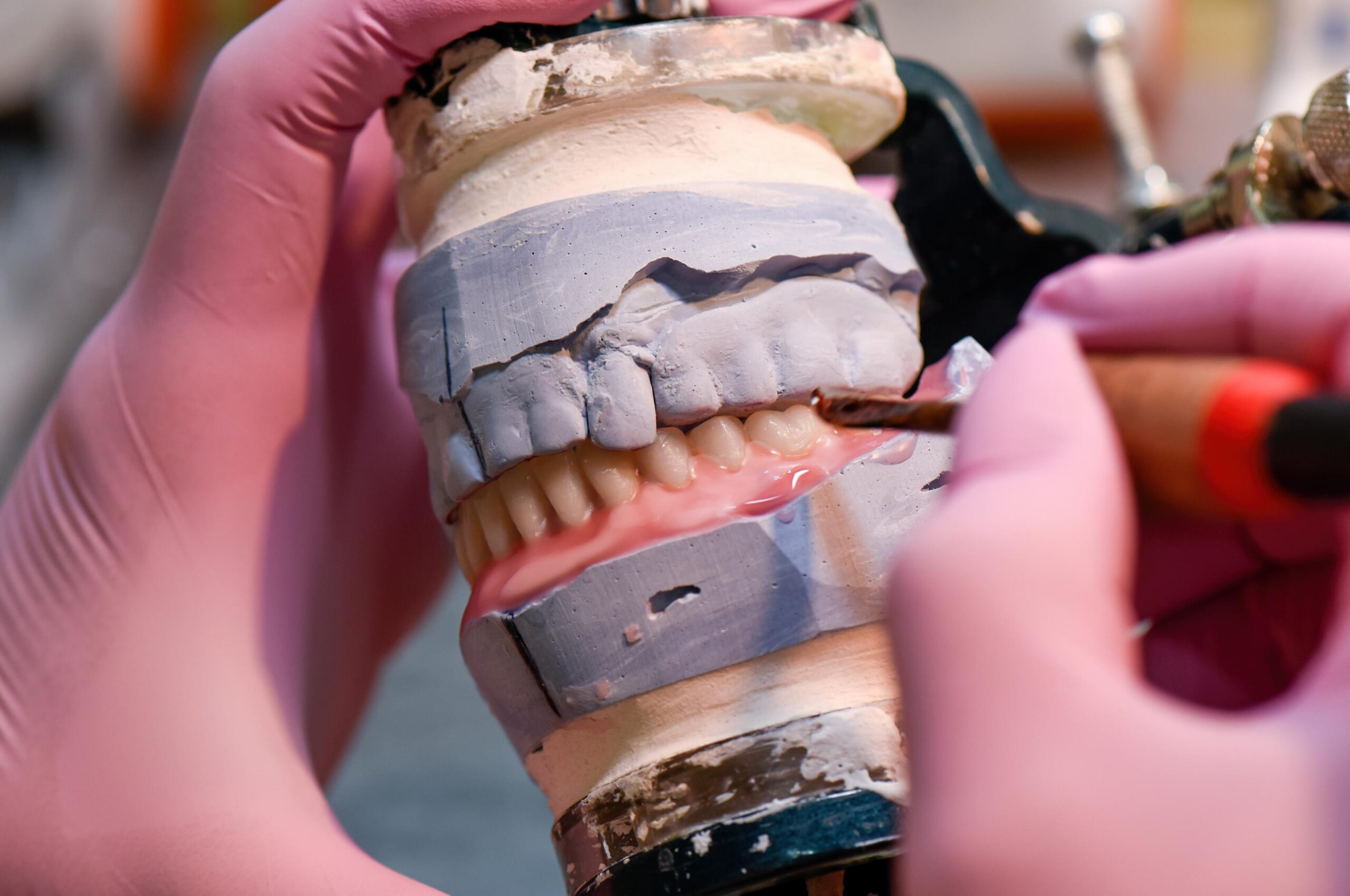
These cases are evaluated with full-mouth photography, digital scanning, facial parameter mapping, laboratory-designed mock-ups, and bite analysis before final restorative treatment is planned.
Bite Analysis Helps Explain Why Restorations Keep Failing
When the bite has collapsed or treatment will change bite height, the way the upper and lower teeth meet becomes part of the restorative plan. Bite analysis and a provisional adaptation phase are therefore built into complex rehabilitation.
Photography, digital scans, facial measurements, and bite analysis help the team evaluate the proposed restorative position before final treatment is completed.
Use Provisionals to Test a New Bite Before Final Restorations
When treatment changes bite height or rebuilds many teeth at once, Dr. Herrera may use provisional restorations or splints for one to two months before committing the design to final ceramics.
During that period, we can assess chewing, speech, muscle comfort, jaw response, appearance, and the proposed bite position before the final restorations are finished.
Turn Years of Dental Work Into One Coordinated Treatment Sequence
Full-mouth photography, digital scanning, facial measurements, laboratory mock-ups, and 3D imaging can turn a complicated dental history into information you can actually see and discuss. Those records help us show you what is connected, what can remain, and what a proposed change would ask of the bite before the lab makes anything final.
Because the lab is on-site in Sandy Springs, the dentists and fabrication team can stay closely connected during both provisional and final stages.
Diagnosis Comes Before the Procedure List
A prosthodontic rehabilitation can involve crowns, bridges, implants, provisional restorations or splints, and, in some plans, a custom 3D-printed night guard. Final materials may include e.max or zirconia based on the restorative demands of each area.
The treatment mix is determined only after the teeth, supporting structures, bite, and existing dentistry have been evaluated together. Prosthodontic rehabilitation is the diagnostic and restorative framework, not a fixed package of crowns, implants, or other procedures.
Request an AppointmentProtecting the Rebuilt Bite Is Part of the Plan
A custom 3D-printed night guard may be included after complex restorative treatment as part of protecting the completed restorations.
Prosthodontic Rehabilitation vs. Full-Mouth Rehabilitation
The terms overlap, but they are not identical. Prosthodontic rehabilitation is the specialist-led approach used to diagnose and coordinate complex restorative problems. Full-mouth rehabilitation is one extensive application of that approach when treatment spans much or all of the mouth. A patient may appropriately fit both descriptions.
Questions Patients Ask About Prosthodontic Rehabilitation
Know the Diagnosis, Sequence, and
Purpose of Each Step
If years of crowns, missing teeth, repairs, and bite changes have left you unsure what should happen first, a prosthodontic evaluation can organize those pieces before final treatment begins. You should leave understanding what can remain, how the bite is involved, and how the restorative phases fit together.