
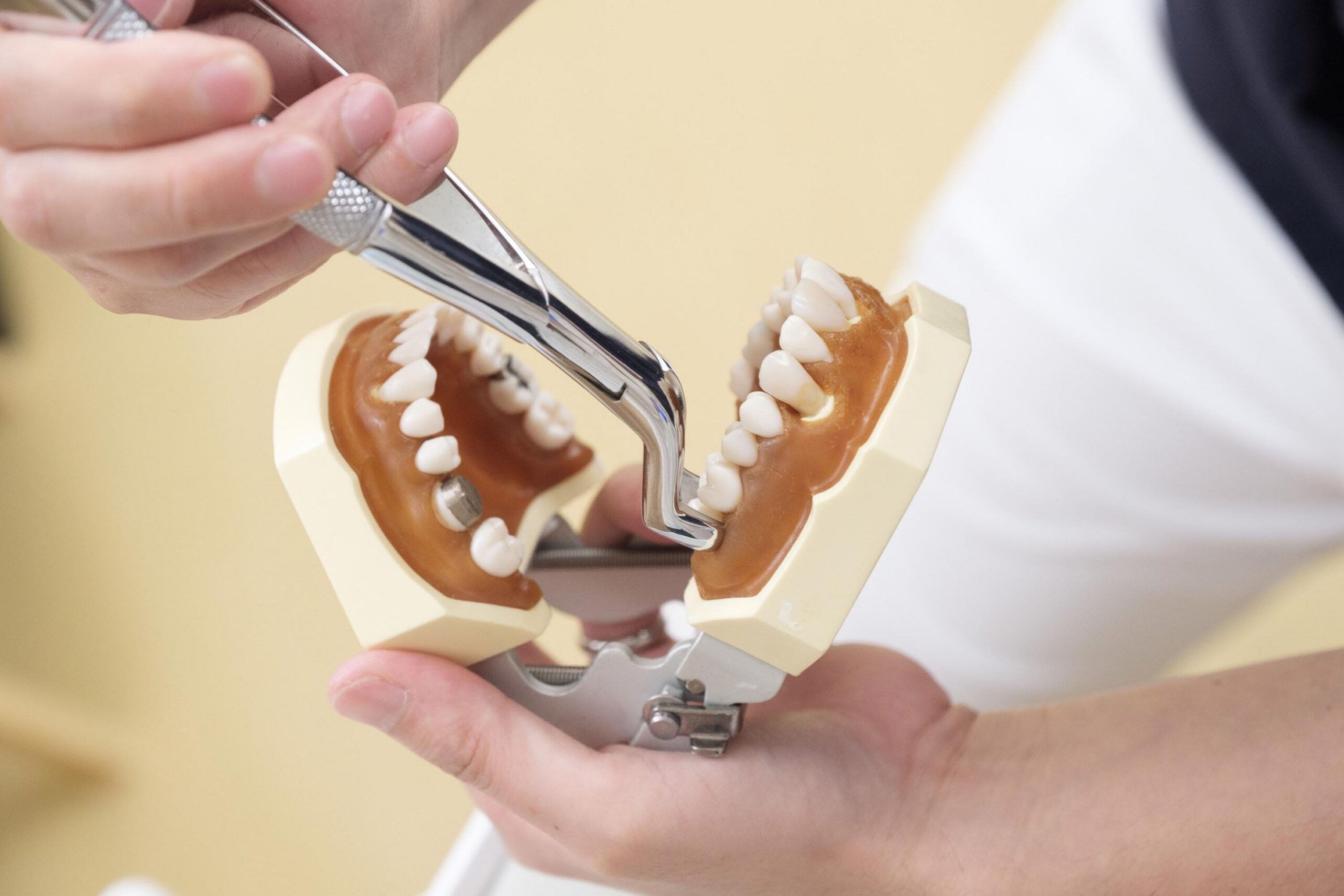
Simple extractions and non-impacted wisdom teeth are handled here, with the next step, such as an implant or bridge, considered when appropriate.
Deeply impacted wisdom teeth and higher-risk cases, particularly those close to important nerve pathways, are referred to an oral surgeon. When a routine extraction is appropriate, autologous platelet-rich fibrin (PRF) may be used at the site as part of the healing protocol.
If tooth replacement is part of the larger plan, dental implants or fixed restorative options can be evaluated separately so the decision about the space is not left until after the tooth is gone.
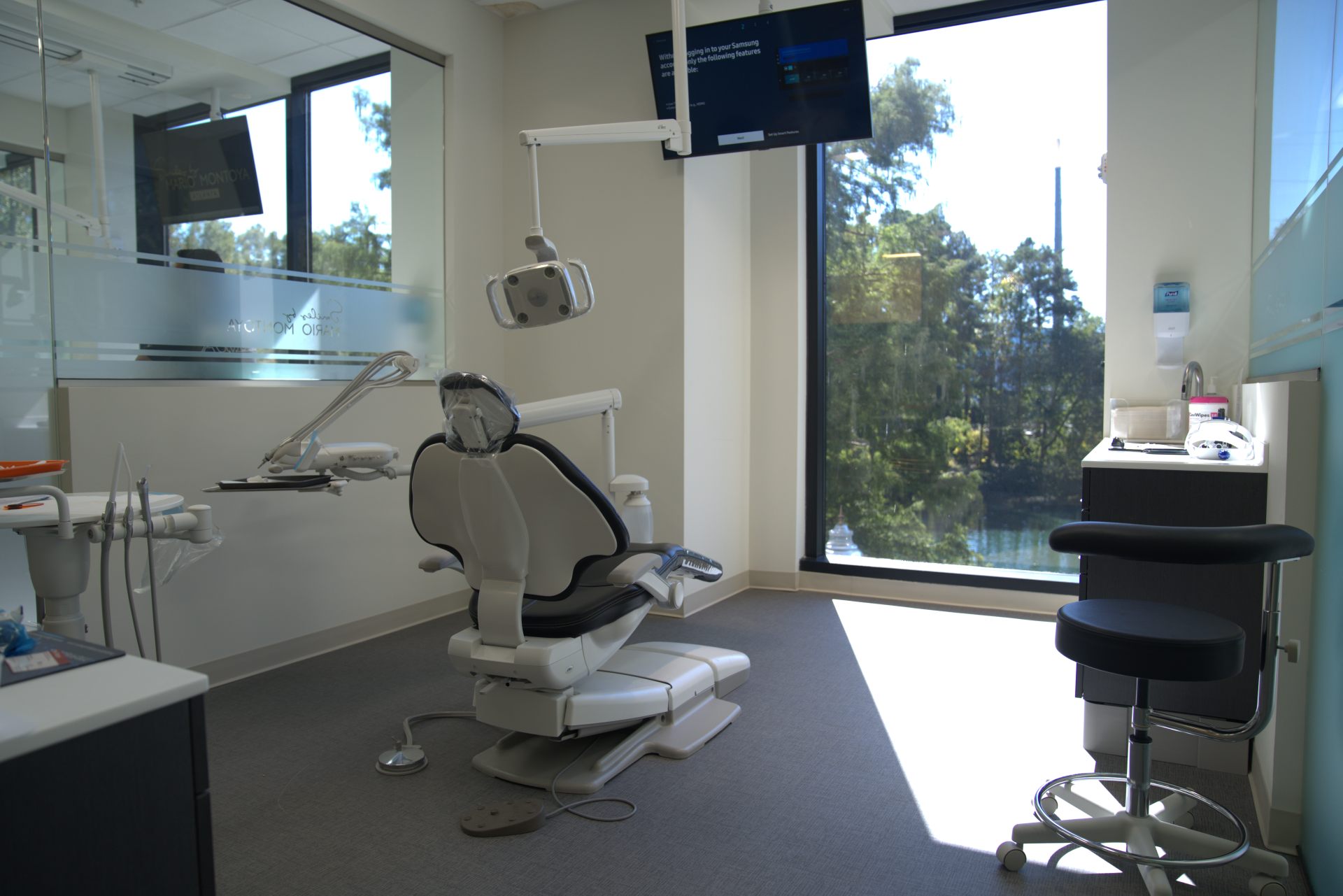
Which Extractions Are Performed In-House?
The evaluation shows whether the tooth fits the practice's routine extraction scope or whether a referral is needed.
Plan the Extraction Around What Happens to the Site Next
Routine tooth removal is performed with an atraumatic approach within the in-house extraction scope.
Autologous PRF may be incorporated into the extraction protocol to support socket healing.
PRF After Extraction: What It Is and Why We May Use It
Platelet-rich fibrin, or PRF, is derived from the patient's own blood and may be applied at the extraction site as part of the healing protocol.
PRF is an adjunct to the extraction and does not replace the procedure-specific aftercare instructions.
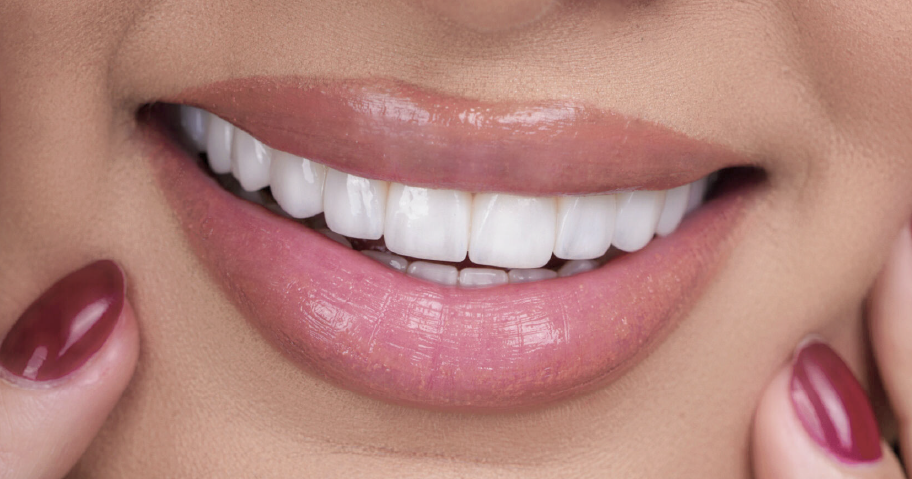
Non-Impacted Wisdom Teeth May Be Treated In-House
We treat erupted or non-impacted wisdom teeth when the case falls within our in-house scope. Deep impactions, especially lower wisdom teeth close to the inferior alveolar nerve, are referred to an oral surgeon.
Deeply impacted wisdom teeth, particularly cases with higher risk to nerve pathways, are referred to an oral surgeon.
If the Tooth Will Be Replaced, Plan Ahead Before Extraction
The practice also provides dental implants and fixed restorative treatment. If tooth replacement is part of the broader plan, those options can be evaluated separately.
When implant treatment is being considered, the implant and restorative plan can be discussed alongside the extraction evaluation.
What Matters Most During the First 24 Hours?
The first priority is protecting the blood clot as the socket begins to heal. Bite on gauze as directed, avoid vigorous rinsing and drinking through straws during the early healing period, and avoid smoking or alcohol while the site is beginning to recover. Strenuous activity is typically limited for the first 24 hours.
Take medications exactly as directed. If you experience severe pain, heavy bleeding, swelling that worsens, signs of infection, or a reaction to medication, call 470-480-0687 promptly or seek emergency medical care if needed.
Questions to Answer Before a Tooth Is Removed
Remove the Tooth With the Next Step Already in View
When a tooth truly needs to come out, the next decision is whether the extraction fits the in-house scope and what should happen to the space afterward. If replacement is being considered, dental implant or fixed restorative options can be planned separately.