
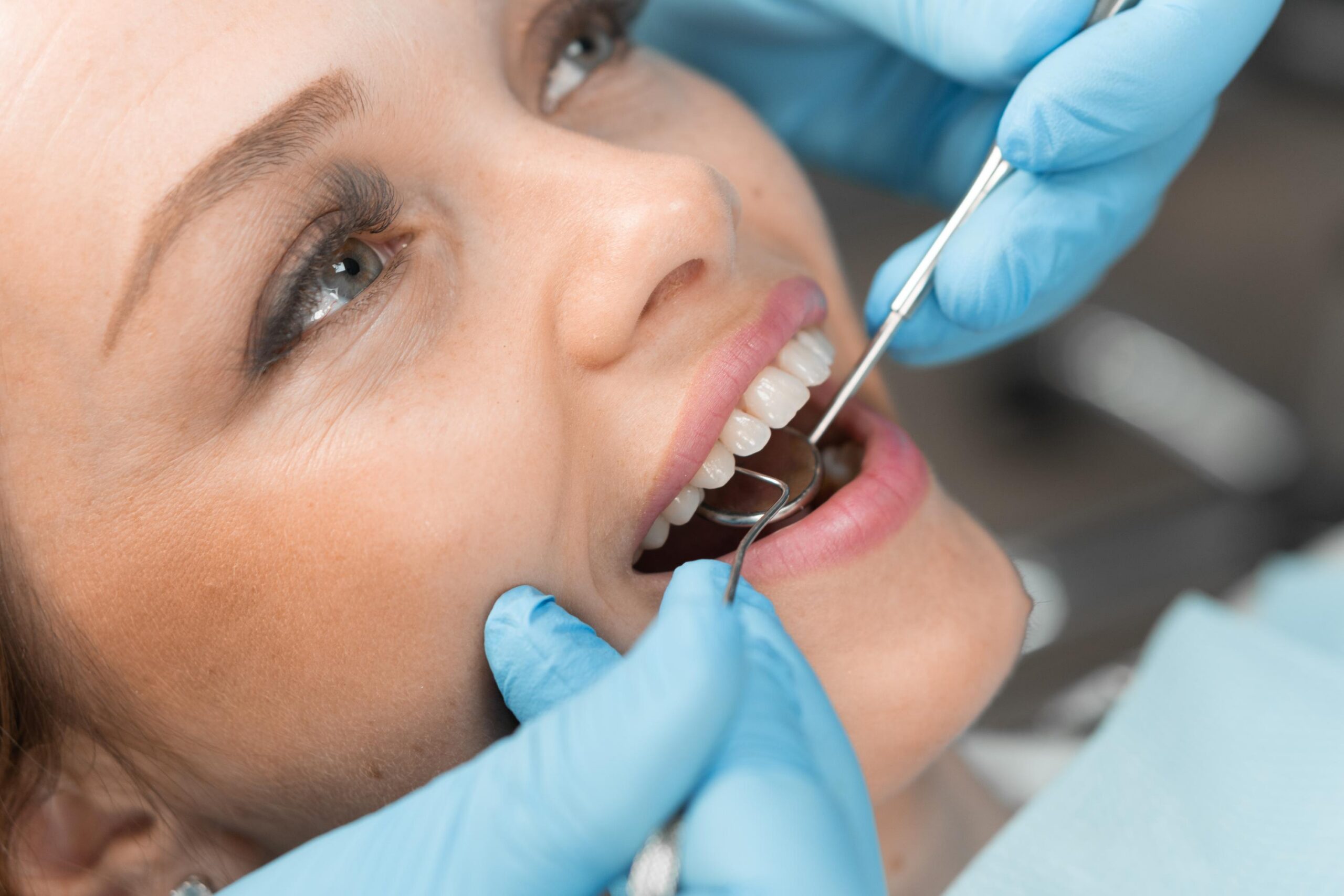
For a localized shape concern or minor structural repair, composite bonding can sometimes create the needed change without preparing the tooth for porcelain.
Bonding uses tooth-colored composite resin placed and shaped directly on the tooth. Appropriate cases can be completed in a single visit without natural tooth reduction, using composite materials selected to blend with the surrounding teeth.
That makes bonding a deliberately conservative option for the right problem. If the change is too broad for direct composite, we will explain when a ceramic restoration or wider smile-design plan makes more sense.

What Composite Bonding Actually Does
Composite resin is placed and shaped directly on the tooth. The treatment is designed for localized aesthetic shaping and minor structural repair rather than a laboratory-made ceramic restoration.
Because the composite is placed directly, appropriate bonding cases can be completed in a single visit.
Where Composite Bonding Reaches Its Limits
Bonding is limited to what direct composite can reasonably accomplish. If the planned change calls for ceramic treatment or another restorative approach, that should be identified during the evaluation instead of stretching bonding beyond its useful role.
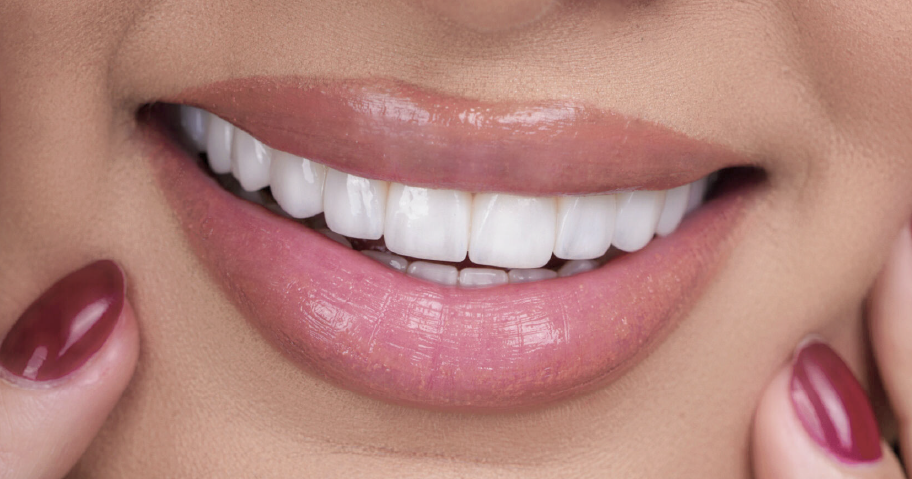
Small Shape, Edge, and Spacing Changes Bonding Can Address
The evaluation shows whether a direct composite approach fits the concern or whether another restorative or ceramic option should be discussed.
How Composite Bonding Is Shaped Directly on the Tooth
1. We evaluate the tooth and the cosmetic or restorative concern to determine whether direct composite treatment fits the case.
2. A composite shade is selected to match the natural dentition.
3. Composite resin is placed directly without natural tooth reduction within the practice's bonding scope.
4. The resin is shaped and finished according to the treatment plan.
After Bonding: Protect the Finish and Follow Your Care Instructions
Continue routine oral hygiene and follow the care instructions provided for the bonded area.
If grinding or clenching could place repeated force on the restoration, a custom night guard may also be discussed as part of the protection plan.
Composite Bonding vs. Porcelain: Different Tools for Different Changes
Conservative by Design
The bonding approach used here is designed around direct treatment without natural tooth reduction.
Completed in a Single Visit
The material is placed and shaped directly in the mouth, which allows appropriate cases to be completed in one visit.
Direct Resin Instead of Lab-Made Ceramic
Bonding uses direct composite resin rather than a laboratory-fabricated ceramic restoration. If porcelain is the more appropriate material for the planned change, that distinction is discussed before treatment.
When Bonding Is Enough and When It Is Not
When a Small Change Is Enough, Keep It Small
For a localized concern, the first question is whether direct composite can solve it cleanly. If not, we will explain when ceramic treatment or a broader smile-design approach makes more sense.