
A Calmer Experience Starts With Knowing What to Expect
Sedation Dentistry Options in Atlanta, GA
Sedation is not one-size-fits-all. The right option depends on your medical history, medications, anxiety level, procedure, and clinical evaluation.
Smiles by Mario Montoya provides nitrous oxide and oral conscious sedation in-office for eligible patients. Oral sedation requires clinical evaluation, medication review, and specific instructions before and after the appointment.
IV sedation is different. Nitrous oxide and oral conscious sedation are available in-office for eligible patients.
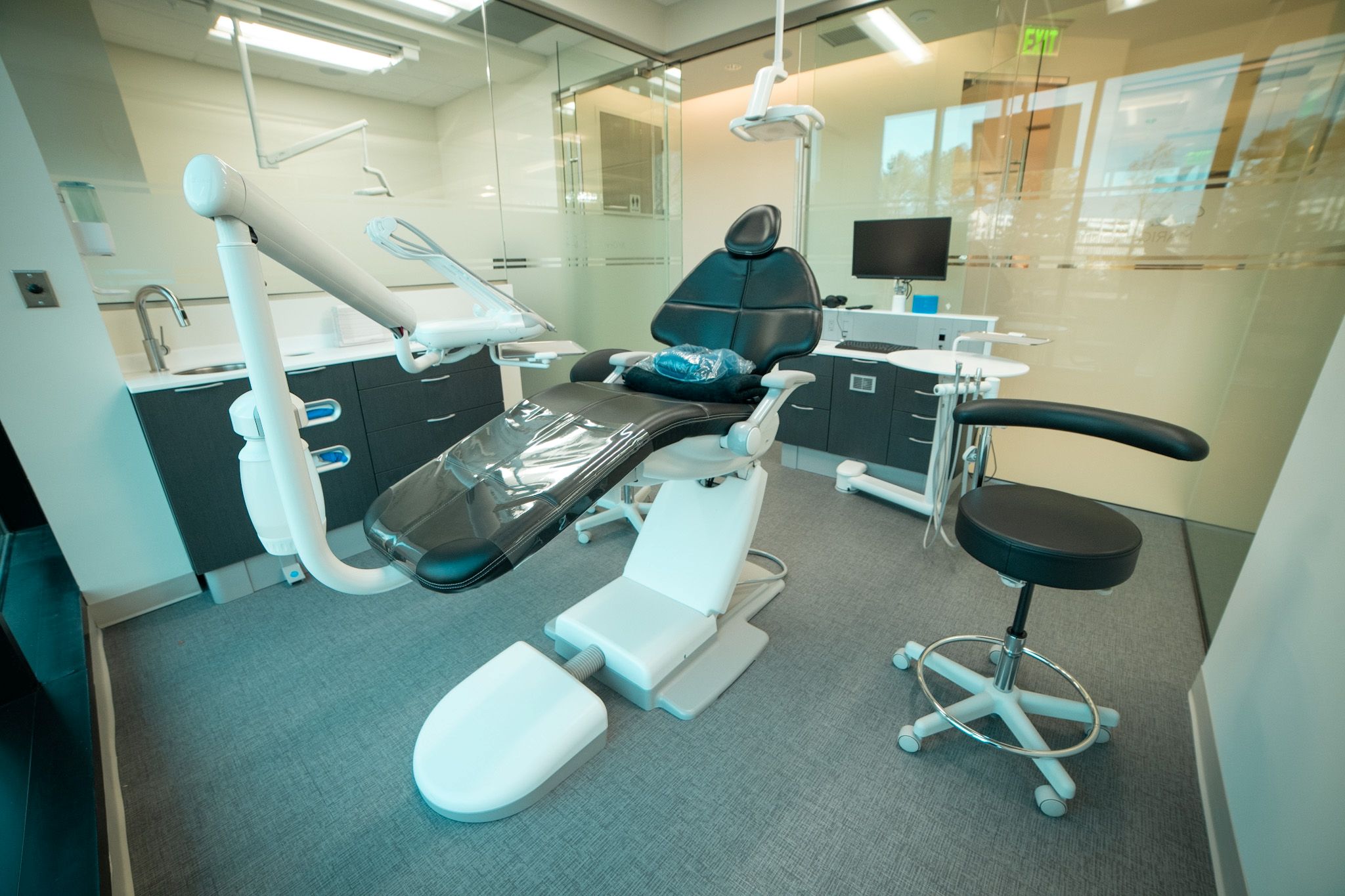
Sedation Is an Option, Not a Requirement
Some patients want help with anxiety. Others are comfortable with local anesthesia alone. The right option depends on your health, medications, level of anxiety, and the procedure. We can talk through those factors before you are expected to choose anything.
Dental anxiety does not look the same for everyone. For one person, it is a little tension before a procedure. For another, it is the reason care has been postponed for years. For eligible patients, the two established in-office options are nitrous oxide and oral conscious sedation. IV sedation sits outside that routine pathway and is considered only for select cases when availability and clinical requirements allow.
We start with your health, medications, planned treatment, and the level of support appropriate for the visit.
The Right Sedation Option Depends on Your Health and Procedure
Nitrous Oxide: What You Can Expect
Nitrous oxide is inhaled during the appointment to help reduce mild dental anxiety and support relaxation.
Nitrous oxide is provided in-office for eligible patients. Whether it is appropriate depends on your health history, medications, anxiety level, planned treatment, and clinical evaluation.
Oral Conscious Sedation: Who May Be Eligible
Oral conscious sedation may be considered for eligible patients who need additional support managing anxiety or longer treatment sessions. It requires clinical evaluation, medication review, and specific instructions before and after the appointment.
You will receive specific instructions about when to take the medication, what to avoid before treatment, whether you need a responsible adult with you, and what to expect afterward.
IV Sedation: Why Availability Is Case by Case
Nitrous oxide and oral conscious sedation are available in-office for eligible patients.
Before IV sedation can be considered, the team must review eligibility, safety, monitoring needs, provider requirements, the planned procedure, and your medical history. If the appropriate resources or clinical conditions are not available, another approach may be recommended.
Sedation Helps Anxiety; Local Anesthetic Controls Sensation
Sedation and local anesthesia serve different purposes. Local anesthesia numbs the treatment area. Sedation options may be considered to help manage dental anxiety and support comfort during the visit.
Soft-tissue lasers may also be incorporated into selected procedures to help manage tissue trauma, bleeding, and postoperative discomfort. They are an adjunct to treatment, not a form of sedation.
Health Information We Need Before Considering Sedation
Do not omit a medication or health condition because you assume it is unrelated. The information can affect which options are safe to discuss.
Preparing for a Sedation Appointment
If a responsible adult is required to accompany you, that will be explained before the appointment so transportation can be arranged in advance.
Request an AppointmentSedation Questions to Discuss Before Treatment
You Do Not Have to Downplay Dental Anxiety
If fear has shaped the way you approach dentistry, tell us plainly. We will review your health, medications, anxiety level, and planned treatment before deciding whether nitrous oxide, oral conscious sedation, another comfort approach, or no sedation at all makes sense for the appointment.