An in-house dental lab matters because it shortens the distance between planning and fabrication. The dentist who planned your crown, veneer, implant restoration, or smile design stays closer to how that work is scanned, designed, milled, characterized, and refined.
Our Sandy Springs office uses CEREC Primemill and MC X milling, Programat ceramic and sintering furnaces, Primeprint 3D printing, CBCT imaging, intraoral scanning, and Digital Smile Design. For patients, those tools can mean clearer planning, tighter coordination between clinical and laboratory steps, and more opportunities to review details before a restoration is finished.
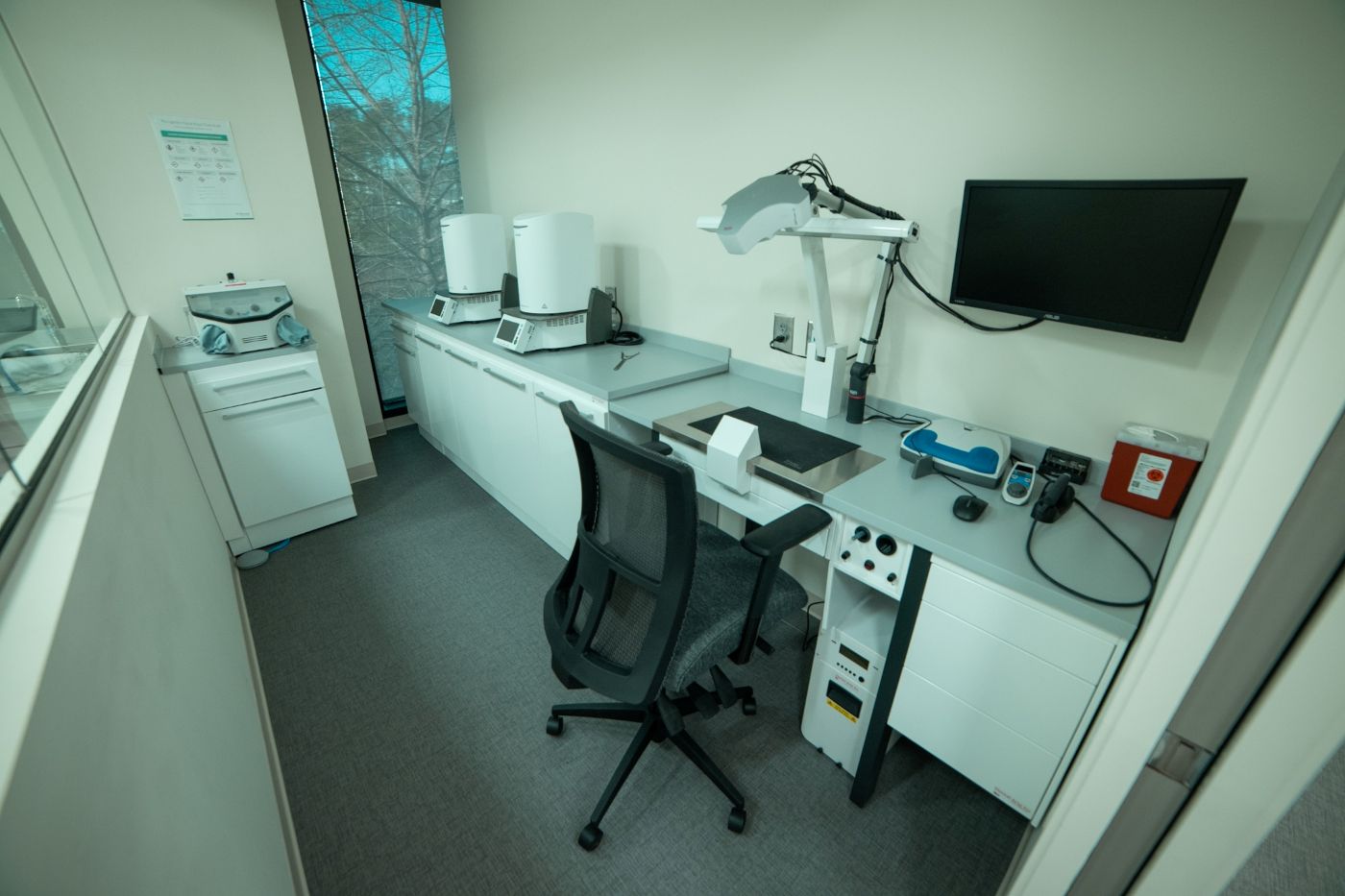
Outside laboratories can produce excellent work, but complex or highly visible cases often benefit from shorter communication lines. Keeping more of the process nearby makes it easier to connect the clinical plan with the restoration being fabricated.
If a contour feels bulky, a shade needs refinement, or a temporary restoration reveals something worth changing, the dentist and lab can address it within the same workflow instead of treating fabrication as a separate process you never see.
The point is not the equipment itself. It is keeping the people making the clinical and design decisions close to the restoration you will actually live with.
Technology earns its place when it changes what we can see, measure, explain, or fabricate. The records used will vary by treatment and may include:
Together, these records help answer practical questions: Is there enough bone for an implant? How do the teeth meet? Is the gumline part of the cosmetic concern? Does a proposed tooth shape fit the face? The technology is useful when it makes those answers clearer for both you and the dentist.
Request an Appointment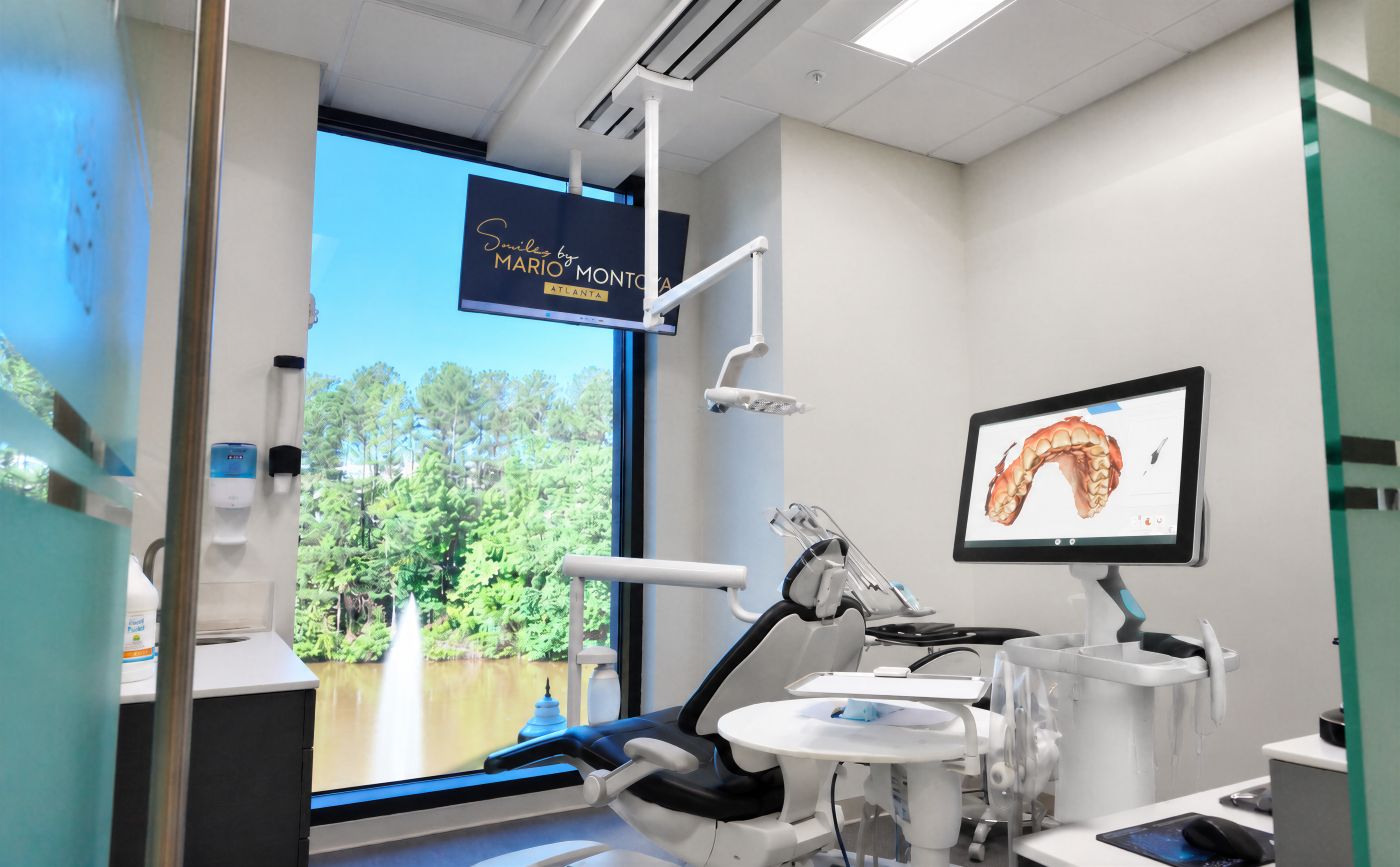
What we do
CEREC Primemill and CEREC MC X
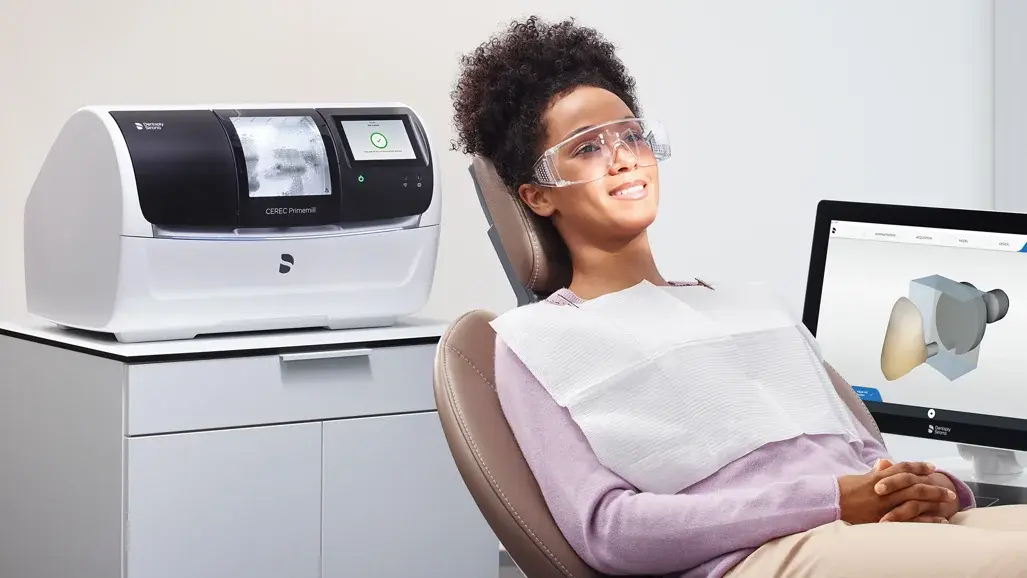
CEREC Primemill and CEREC MC X shape selected ceramic restorations from a digital design. They allow crowns, veneers, inlays, and onlays to be produced with tightly controlled dimensions inside the Sandy Springs office instead of automatically being sent to an outside lab.
For selected cases, that can also shorten the wait. A single e.max crown may be completed the same day, while a single zirconia crown generally requires about two days because zirconia needs additional processing. Larger zirconia work takes longer.
Speed matters only when the restoration is truly ready. Fit, material requirements, bite, and the needs of the tooth still determine the timeline.
e.max or Zirconia?
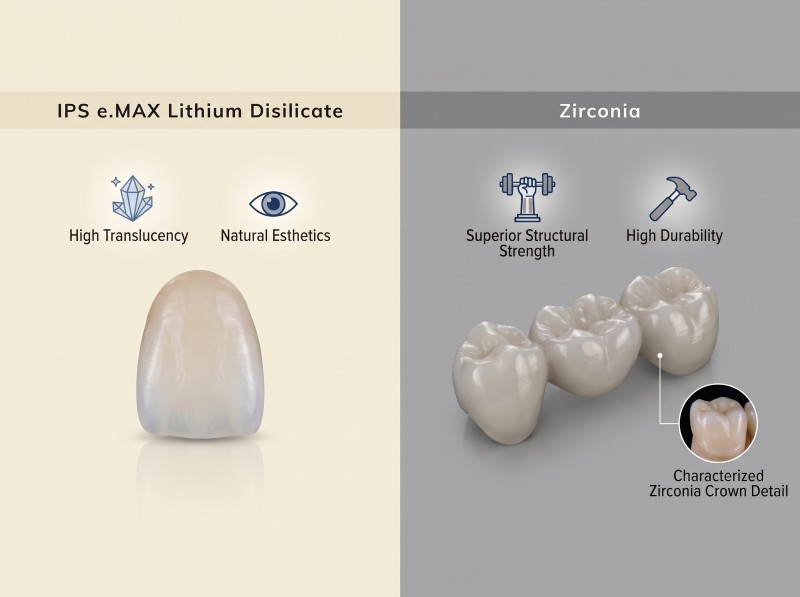
IPS e.max Lithium Disilicate
e.max is prized for its translucency and enamel-like optical qualities. It can be an excellent choice when the restoration sits in a highly visible area and needs to blend naturally with surrounding teeth.
Zirconia
Zirconia provides greater strength for situations that demand more structural durability, including many crowns, bridges, and larger restorative cases. It can also be layered or characterized to achieve a more refined appearance.
Material selection is part of the clinical recommendation. We explain why e.max or zirconia better fits the location, strength demands, underlying shade, and appearance being planned.
Programat P710 and Programat S2
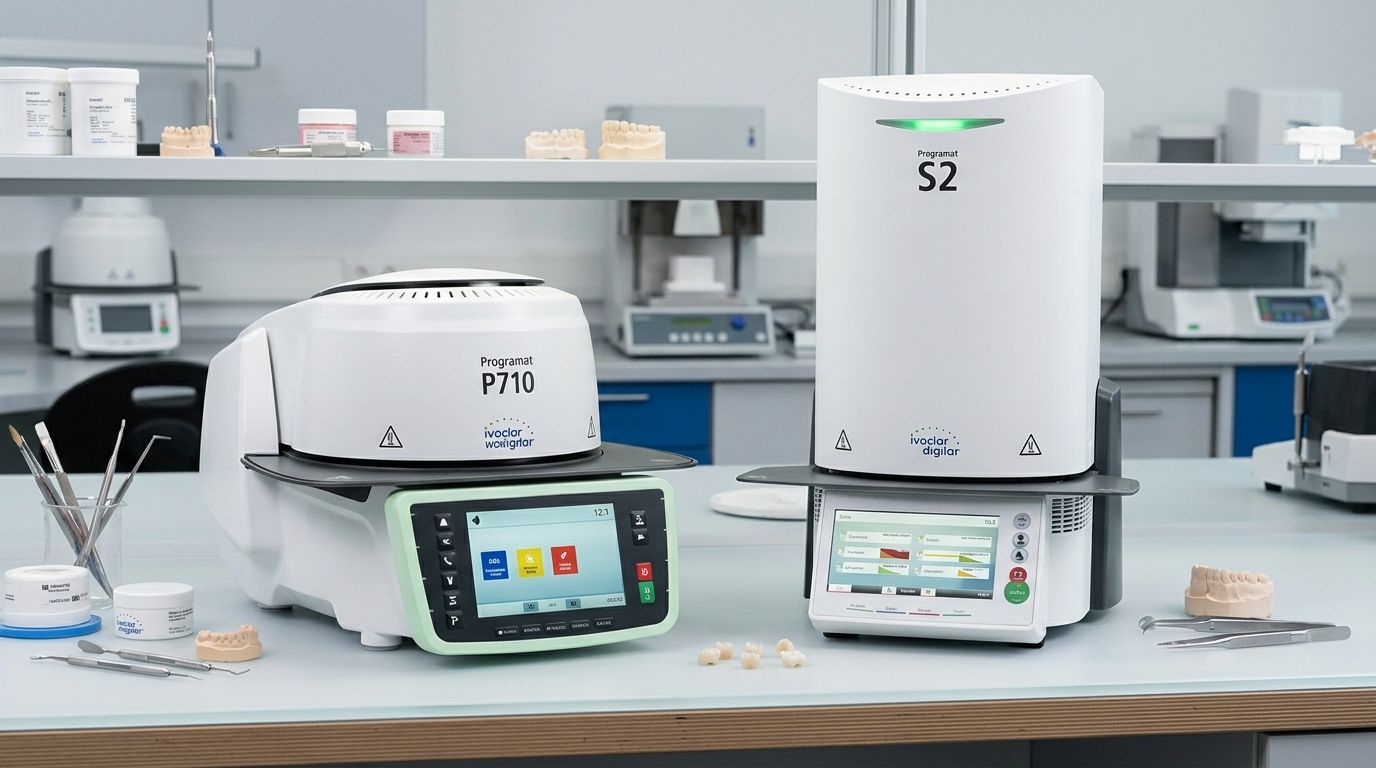
Milling creates the basic shape. Firing, glazing, shade characterization, and zirconia sintering are what help turn that milled form into a finished restoration with the required strength and surface character. Those steps are completed with Programat P710 and Programat S2 furnaces in the Sandy Springs lab.
Some larger zirconia restorations need 14 to 15 hours of controlled sintering before glazing and finishing. A restoration that can be milled quickly is not necessarily ready to be delivered quickly.
Dentsply Sirona Primeprint
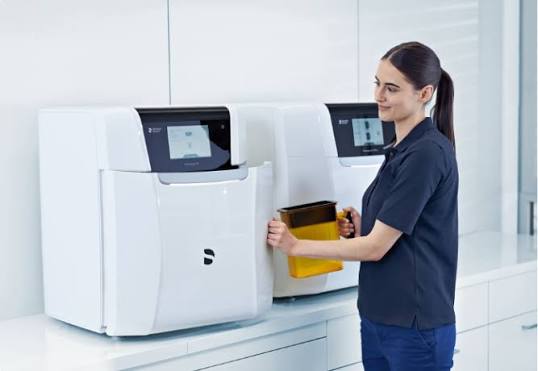
Primeprint 3D printing lets us fabricate selected appliances directly from digital records. At the Atlanta practice, this includes custom retainers and night guards, which can be particularly important after extensive restorative or cosmetic treatment.
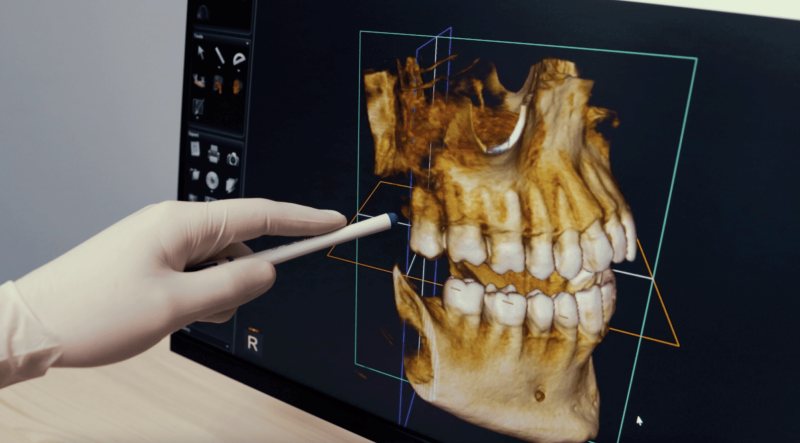
Cone beam computed tomography gives us a three-dimensional view of structures that conventional X-rays cannot show in the same way. For implant treatment, it helps us evaluate bone volume, sinus anatomy, nerve pathways, and restorative space before surgery is planned.
For full-mouth and other complex cases, CBCT can also add important structural information to a broader diagnostic workup that includes photographs, scans, bite analysis, and clinical examination.
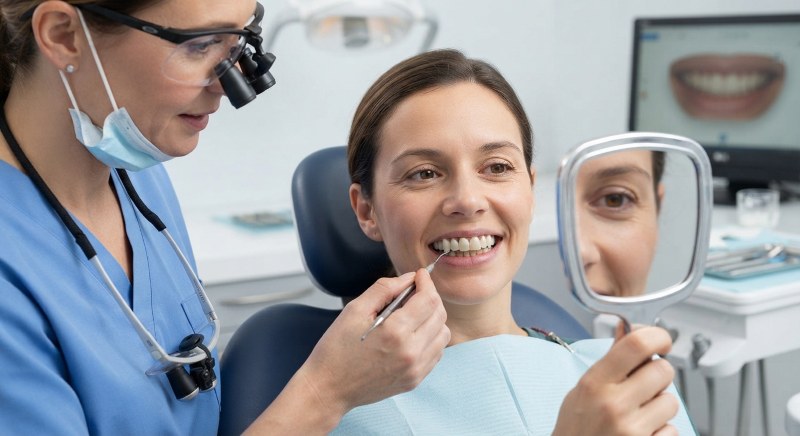
Cosmetic dentistry should not begin with irreversible treatment and end with a surprise. When a preview adds value, Digital Smile Design and laboratory mock-ups let us study proposed changes before final restorations are made.
A digital or in-mouth mock-up may let you preview tooth length, shape, proportion, and overall smile character. You can react to the design while there is still time to refine it, rather than after the ceramic work is complete.
A scanner cannot decide what should be treated. A milling machine cannot decide whether your bite is comfortable. A furnace cannot tell whether a smile still feels like you. Those decisions remain clinical and personal.
Technology earns its place when it helps us show you what we see, test a plan, communicate with the lab, and make better decisions before final treatment is completed.
If you are considering veneers, implants, crowns, or full-mouth rehabilitation, ask us where the digital workflow actually matters for you. We can show you which records are being used, what can be previewed or tested, and which parts of the process still depend on healing time or clinical judgment rather than speed.